
Knossos Tickets: Prices, Where to Buy & What’s Included
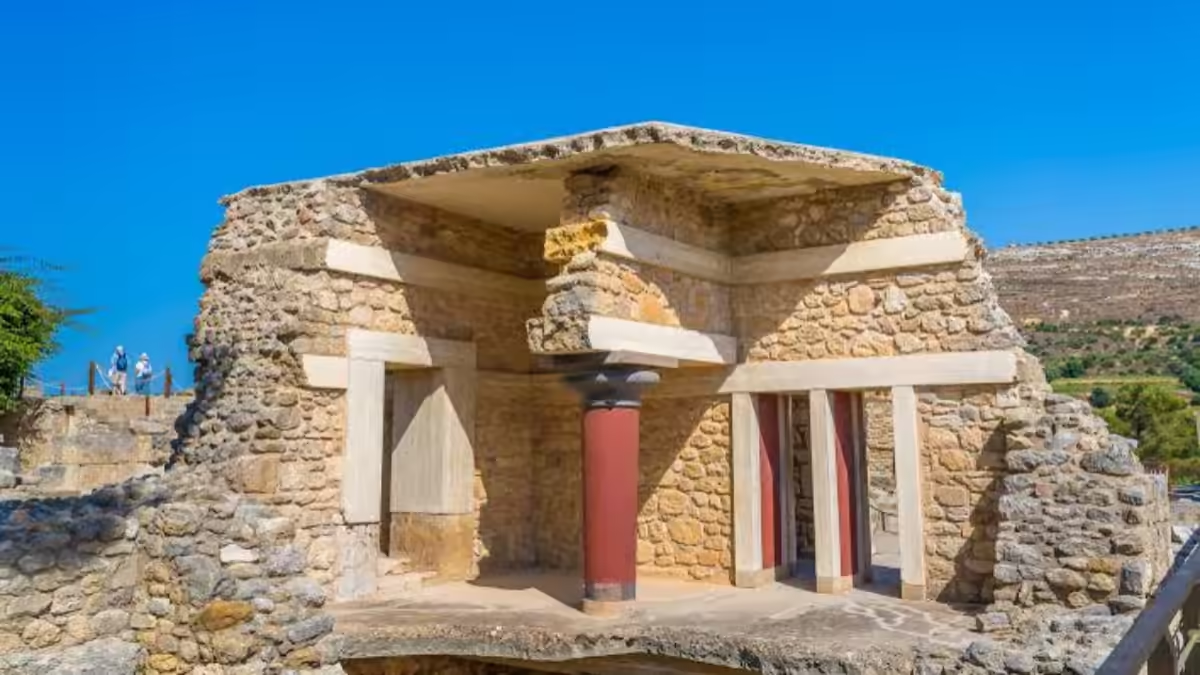
A standard adult ticket to the Palace of Knossos costs €20, charged year-round since a recent Greek ticketing reform removed the old cheaper winter rate. Reduced admission runs around €8–10, while under-18s and EU citizens under 25 enter free with ID. You can buy at the gate, online through the official hhticket.gr portal, or through resellers that add a small margin.
Knossos is Crete’s most visited archaeological site, and its ticketing changed noticeably after a recent Greek reform that raised the adult price and scrapped the old winter discount. If you last visited a few years ago, expect to pay more and to see a single year-round rate rather than a cheaper cold-season one. The good news is that the pricing is now simpler to plan around.
This guide breaks down exactly what a Knossos ticket costs in 2026, where to buy it officially versus through a reseller, who qualifies for free or reduced entry, and what your admission actually covers once you’re inside the gate.
Knossos Ticket Prices at a Glance
| Ticket type | Price (2026) | Notes |
|---|---|---|
| Adult | €20 | Year-round, same in every season |
| Reduced | around €8–10 | Non-EU seniors, students; confirm eligibility |
| Under-18 | Free | ID or passport may be requested |
| EU citizens under 25 | Free | Valid ID required |
| Reseller entry bundles | from around €27 | Adds audio content and English booking |
Prices can change, so confirm the current figure on the official Hellenic Heritage portal before you travel.
What a Knossos Ticket Costs in 2026
The adult ticket is €20 and is charged the same all year, because a recent reform removed the previous cheaper winter rate. Reduced tickets cost roughly €8–10 for eligible visitors, and several groups pay nothing at all, including under-18s and EU citizens under 25. Reseller bundles that add an audio guide typically start from around €27.
The headline figure is €20 for a standard adult, and this now applies whether you visit in August or January. Before the reform, Crete’s major sites had a lower off-season price, so budgeting is more predictable but the winter bargain is gone. Reduced admission of about €8–10 covers categories such as non-EU seniors and certain students, though eligibility rules shift, so carry documentation and check current terms. Because the price is fixed across seasons, the smarter savings now come from free-entry days rather than from timing your visit for cheaper months, which our guide to free entry and discounts covers in full.
Where to Buy: Official Portal vs Resellers
You can buy at the ticket booth on arrival, online through the official hhticket.gr portal run by the Greek Ministry of Culture, or through third-party resellers. The official channels charge the flat €20 with no markup; resellers add a margin, usually in exchange for an English-language checkout, a reserved time slot, or bundled audio content. For bare entry, official is cheapest.
Buying at the gate is straightforward outside peak season, but in summer the booth queue can be long and slow, especially late morning when coach groups arrive. The official hhticket.gr portal lets you reserve a timed slot in advance at the standard price, which is the best-value route for most independent visitors. Resellers on booking platforms cost a little more but bundle useful extras and handle the transaction in clear English, which some travelers prefer. If you want a licensed expert rather than just entry, a guided walking tour includes admission and adds context the sparse on-site signage lacks.
What the Ticket Includes
Your ticket covers entry to the whole open-air archaeological site: the Central Court, the Throne Room, the Grand Staircase and residential quarters, the North Entrance with its charging-bull relief, the theatral area, and the giant storage jars. It does not include a guide, an audio guide, or transport from Heraklion. It’s worth remembering that the vivid wall paintings you see in place are replicas; the surviving originals are displayed in the Heraklion Archaeological Museum in the city, which is why many people plan to see both. Signage on site is limited, so a guide or audio narration genuinely helps you make sense of Sir Arthur Evans’s controversial concrete reconstruction.
Who Gets in Free or Reduced
Under-18s of any nationality enter free, as do EU citizens aged under 25, both with valid ID. Reduced admission of around €8–10 applies to categories such as non-EU seniors and some students. On top of that, the site is free for everyone on certain days, including the first and third Sundays from November to March and several national holidays.
The clearest savings are for younger visitors: an under-18 pays nothing, and an EU passport-holder under 25 also enters free on production of ID. Reduced rates cover a shifting list of categories, so if you think you qualify, bring documentation and verify the current rules rather than assuming last year’s terms still apply. Beyond personal exemptions, free-admission days open the site to everyone at no charge, though those days are busier than usual. Our guide to skip-the-line tickets explains how to avoid the longest queues when a free day or a summer morning brings the crowds.
Frequently Asked Questions
How much is a Knossos ticket in 2026?
A standard adult ticket costs €20, and thanks to a recent reform that price now applies year-round rather than dropping in winter. Reduced admission is around €8–10 for eligible visitors, while under-18s and EU citizens under 25 enter free with ID. Reseller bundles that add audio content start from about €27. Prices can change, so confirm before booking.
Why did the price go up?
Greece introduced a ticketing reform that raised admission at its major archaeological sites, including Knossos, and standardized the fee across the whole year. The old, cheaper winter rate was removed in the process, so there’s no longer a low-season discount on the entry price itself. The change means simpler budgeting, but a higher baseline cost than a few seasons ago.
Where is the cheapest place to buy?
The official channels — the ticket booth at the gate and the hhticket.gr online portal — charge the flat €20 with no markup, so they’re the cheapest for bare entry. Resellers cost a little more but bundle extras like audio guides, a reserved time slot, or an English checkout. If you only want to get in, buy official; if you want the extras, weigh the small premium.
Is the audio guide included in the ticket?
No. A standard Knossos ticket covers entry only, with no guide or audio narration. Because on-site signage is limited and the ruins are heavily reconstructed, many visitors add an audio guide or book a guided walking tour that includes admission and a licensed guide, which brings the palace and its myths to life.
Can I buy tickets at the gate?
Yes. You can buy at the ticket booth on the day, which is fine outside peak season. In summer, though, the booth queue can be long and slow in the late morning, so a pre-booked timed slot through the official portal saves standing in the sun. If you do buy at the gate, arrive right at opening to beat the coach-tour crush.
Is there a combined ticket with the Heraklion museum?
The old official combined Knossos-and-museum ticket was discontinued in the recent reform, so you now generally buy each separately. Pairing them still makes sense because the original frescoes are in the museum while the site shows them in context. Our guide to combined tickets explains the current options.
Does the ticket include transport from Heraklion?
No. The ticket covers site entry only, not the roughly 5 km journey from central Heraklion. You can reach Knossos on city bus #2 for about €1.70, or by taxi for around €10–15. Guided tours and day trips often include transport in the price, which can be worth it if you’d rather not sort out the bus.
How long is the ticket valid?
A standard entry ticket is for a specific day, and if you book online it’s usually tied to a timed entry slot with a little leeway either side. It’s a single-entry ticket, so you can’t leave and return later on the same ticket. Plan to spend 1.5 to 2 hours inside, which is enough to see the main highlights without rushing.
Do I need to book in advance?
In peak summer, booking a timed slot in advance is sensible because the gate is busy and the queue can be long. Off-season you can usually turn up and buy without much wait. Booking ahead also locks in your preferred entry time, which matters most if you want the cooler, quieter early-morning window before the tour groups arrive.
