
Knossos + Heraklion Museum Combined Ticket: The Facts
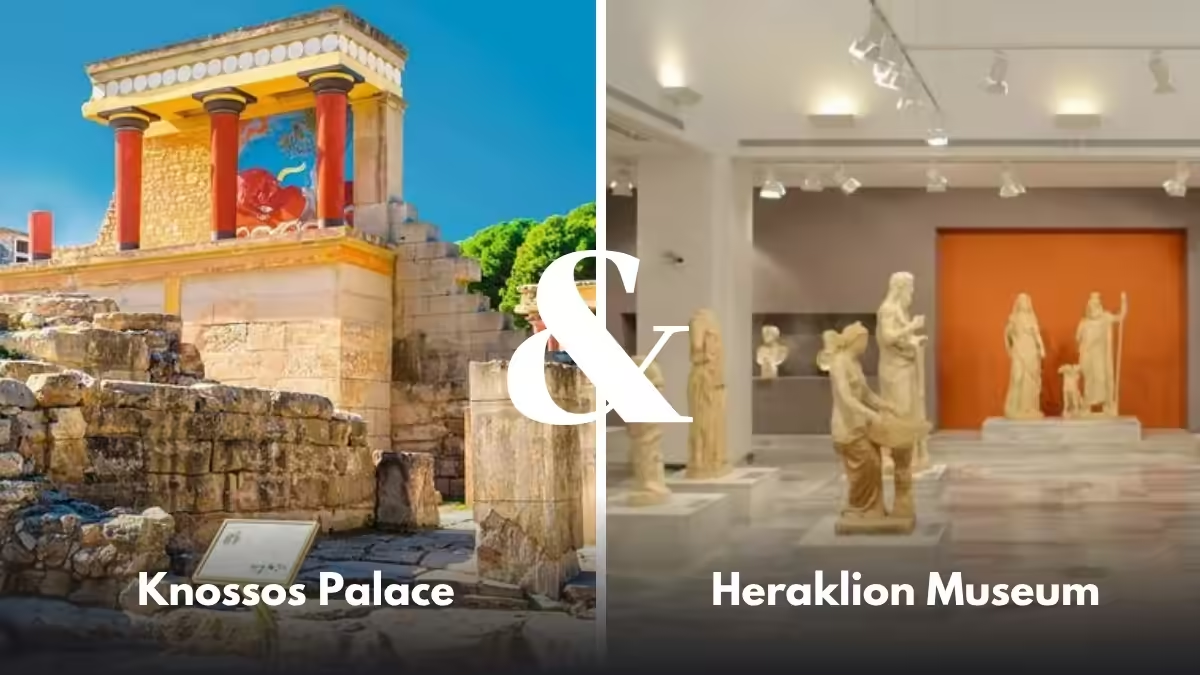
The old official combined ticket covering both the Palace of Knossos and the Heraklion Archaeological Museum was discontinued in a recent Greek ticketing reform, so you now generally buy each separately — around €20 for Knossos and a separate fee for the museum. Pairing the two still makes sense because the site shows the frescoes in place while the museum holds the surviving originals. Some tour operators still bundle them.
If you’ve read older guidebooks or blog posts, you may expect to buy a single combined ticket for Knossos and the Heraklion Archaeological Museum. That ticket existed for years, but it no longer works that way. A recent reform of Greek site ticketing discontinued the official combo, and clinging to outdated advice can leave you confused at the booth.
This guide sets the record straight: what changed, how to buy the two attractions now, why seeing both is still very much worth it, and where tour operators still offer a bundled option.
Knossos + Museum: The Current Picture
| Question | Current answer |
|---|---|
| Official combined ticket? | Discontinued in a recent reform |
| How to buy now | Each attraction separately |
| Knossos entry | around €20 (year-round) |
| Museum entry | Separate fee; confirm current price |
| Bundled option | Some tour operators still combine both |
| Why pair them | Site shows replicas; museum holds originals |
What Happened to the Combined Ticket
A recent Greek ticketing reform discontinued the old official combined ticket that once covered both Knossos and the Heraklion Archaeological Museum on a single pass. The reform also raised and standardized the Knossos adult price to €20 year-round. As a result, the two attractions are now generally sold separately, and you should not count on finding a single official combo at the booth or online.
For years, a combined ticket bundled entry to Knossos and the Heraklion Archaeological Museum, which was convenient because the two are so closely linked. That official combo was discontinued during the same reform that reset Knossos pricing, so it is no longer a reliable option. You may still see it mentioned in older articles, but planning around it risks disappointment. The honest position is simple: assume you’ll buy each attraction on its own, and treat any combined pass you find as something to verify carefully rather than expect. Our Knossos tickets guide explains the €20 site price and where to buy it officially.
How to Buy the Two Separately
Buying each attraction on its own is straightforward. For Knossos, you pay around €20 for a standard adult, either at the gate or through the official hhticket.gr portal, with under-18s and EU citizens under 25 free. For the museum, you buy a separate ticket at its own entrance in central Heraklion or online, at a fee you should confirm in advance. Since the two sit about 5 km apart, plan the logistics: many visitors do Knossos first thing in the morning, then head into the city for the air-conditioned museum during the hottest part of the afternoon. Our guide to how to get to Knossos covers the short bus ride that connects them.
Why Pairing Them Still Makes Sense
The frescoes you see at Knossos — the Throne Room griffins, the Queen’s Megaron dolphins, the charging bull — are replicas, because the fragile originals are displayed in the Heraklion Archaeological Museum. Seeing the site puts the paintings in their architectural context, while the museum lets you study the genuine artifacts up close. Doing both, in either order, gives a far fuller picture than either alone.
This is the crucial point that survives the loss of the combo ticket: Knossos and the museum are two halves of one story. On site, the vivid Minoan frescoes are reproductions set into Sir Arthur Evans’s concrete reconstruction, so you see where the art belonged and how the palace was laid out. In the museum, you stand in front of the actual surviving fragments, along with pottery, jewelry, and the famous Minoan artifacts, without the crowds and heat of the open-air site. Many visitors find the museum makes far more sense after walking the ruins, and vice versa. If you’d like a guide to connect the two, a guided walking tour of the palace gives you the context to appreciate the originals later.
Tour Operators That Still Bundle Both
Although the official combined ticket is gone, some tour operators still package Knossos and the Heraklion museum together within a single guided experience. These aren’t the old ministry combo pass; they’re commercial tours that include entry to both plus a guide and, often, transport between them. If seeing both with the least hassle is your priority, a bundled tour can be worth it, especially in peak season when a licensed guide also skips the entrance line at the palace. Just read what’s included carefully — some “combined” tours cover only Knossos entry with a museum stop that isn’t ticketed. For a self-guided pairing, simply book a timed Knossos entry ticket and buy your museum ticket separately.
Frequently Asked Questions
Is there still a combined Knossos and museum ticket?
Not an official one. The old combined ticket that covered both the Palace of Knossos and the Heraklion Archaeological Museum was discontinued in a recent Greek ticketing reform. You now generally buy each attraction separately. Some tour operators still bundle the two within a guided tour, but that’s a commercial package, not the former ministry combo pass, so check exactly what’s included.
How much does it cost to see both now?
Knossos is around €20 for a standard adult, charged year-round, and the museum has its own separate fee that you should confirm before you go. Under-18s and EU citizens under 25 enter Knossos free with ID, and similar exemptions often apply at the museum. Buying separately usually costs a little more than the old combo did, so budget for two tickets.
Why are the frescoes at Knossos replicas?
The original Minoan wall paintings are fragile and centuries old, so to protect them they’re displayed in the climate-controlled Heraklion Archaeological Museum. The versions you see on site are faithful reproductions set into the reconstructed walls, which is why so many visitors pair the two: the site shows the paintings in context, and the museum holds the real fragments you can study up close.
Which should I visit first, Knossos or the museum?
Either order works, but many visitors prefer Knossos first thing in the morning, when it’s cooler and quieter, then the museum in the afternoon heat. Walking the palace first gives you a mental map that makes the museum’s artifacts more meaningful. If you’d rather understand the objects before seeing where they came from, the reverse order works just as well — both benefit from the pairing.
How far apart are Knossos and the museum?
They’re about 5 km apart. Knossos sits just outside Heraklion, while the archaeological museum is in the city center. City bus #2 links central Heraklion with the site in around 20 minutes for about €1.70, and a taxi runs roughly €10–15. Because they’re close, seeing both in a single day is very doable if you plan the timing around the heat and the crowds.
Are the tour bundles worth it?
They can be, especially in peak season. A bundled guided tour that includes both attractions saves you organizing separate tickets and transport, and a licensed guide also skips the entrance line at Knossos and adds context the sparse signage lacks. The trade-off is a fixed schedule and a higher price. If you prefer flexibility, buying each attraction separately and going self-guided is cheaper.
Can I still get in free at the museum?
Museum admission has its own rules, but under-18s and EU citizens under 25 typically enter free with ID at Greek state museums, mirroring the Knossos exemptions. Free-admission days often overlap too. Confirm the museum’s current terms separately from Knossos, since the two are now ticketed independently. Our guide to free entry and discounts covers who qualifies at the palace.
Where can I confirm the current ticket situation?
Check the official Hellenic Heritage / Ministry of Culture ticketing portal, which lists current prices and any available passes for both the site and the museum. Because the ticketing reform changed several long-standing arrangements, official sources are the only reliable way to confirm what’s on sale in 2026. Treat older blog posts mentioning a combined ticket with caution, as many haven’t been updated since the change.
