
Knossos Palace Highlights — What to See
From the legendary Throne Room to the vividly restored Minoan frescoes, this guide walks you through every part of Knossos worth your time. Discover the Central Court at the heart of the palace, the engineering behind the Grand Staircase, the Queen’s Megaron with its dolphin fresco, and the Charging Bull relief at the North Entrance. We explain what each area was used for, which frescoes on site are reproductions and where the originals hang in Heraklion, how Sir Arthur Evans’s reconstruction shaped what you see today, and the route that makes the sprawling site easy to navigate.
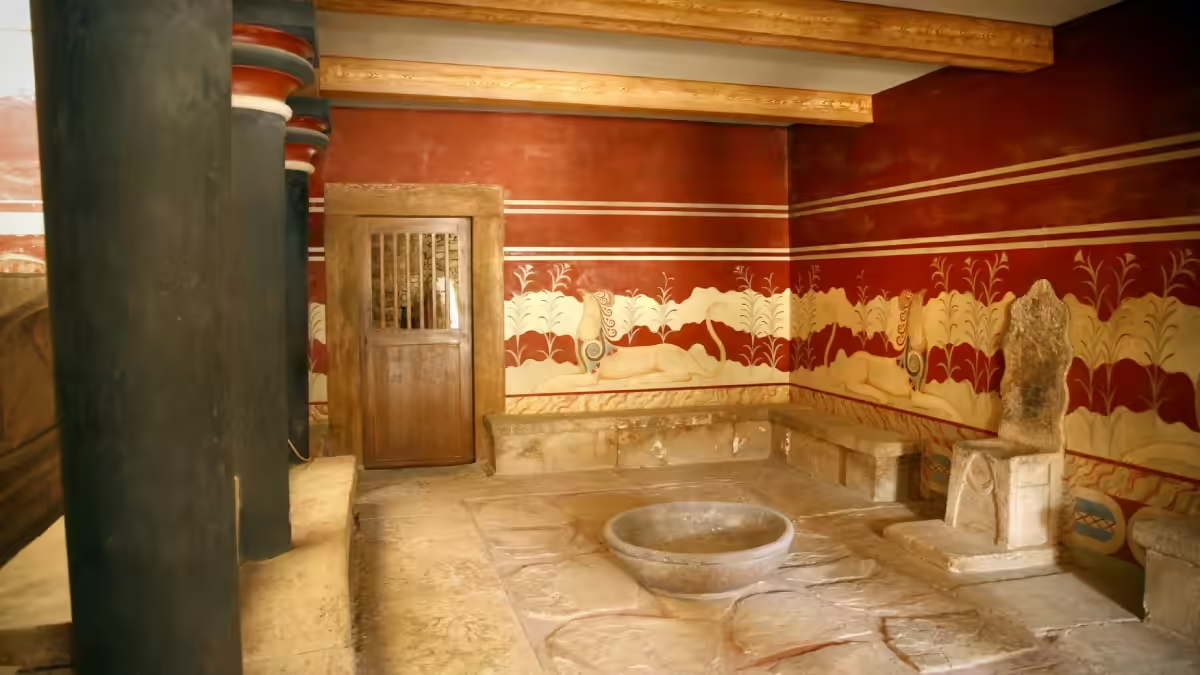
Top Highlights at Knossos Palace
The headline sights and experiences most visitors want to see first.
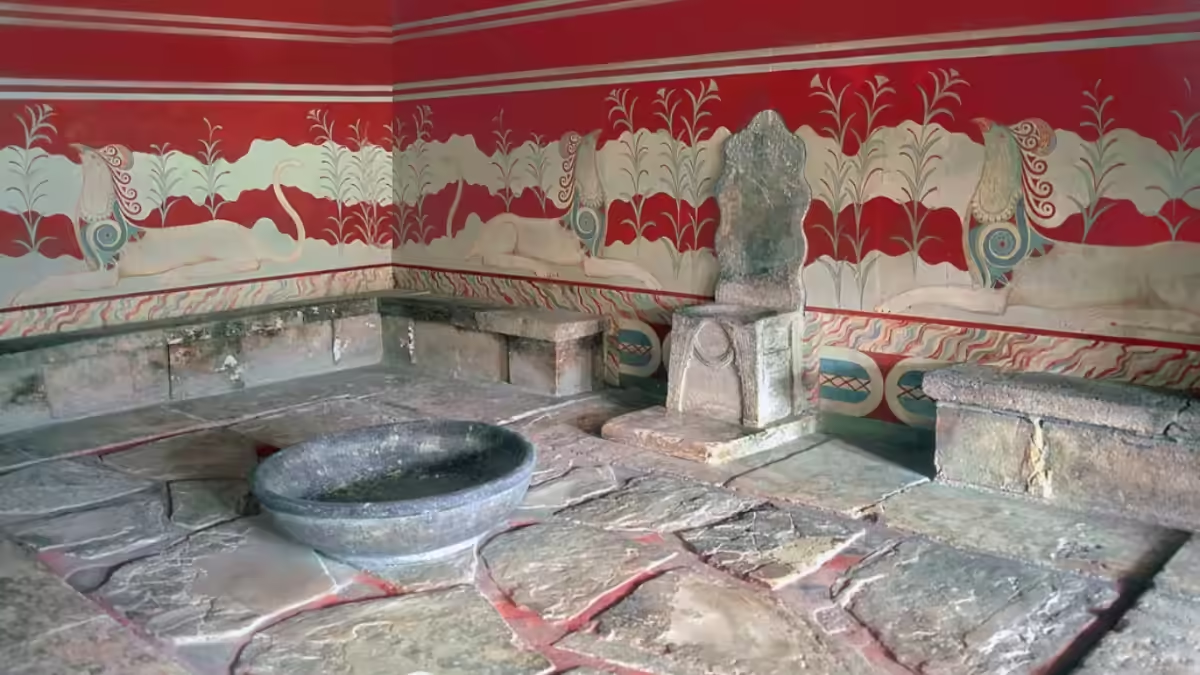
Knossos Throne Room & Griffins
The Throne Room holds Europe’s oldest throne — a 3,500-year-old carved gypsum seat flanked by vivid griffin frescoes. You view this small, atmospheric chamber from the doorway, peering past the lustral basin at the seat where Minoan rulers once presided.
Explore the Throne Room →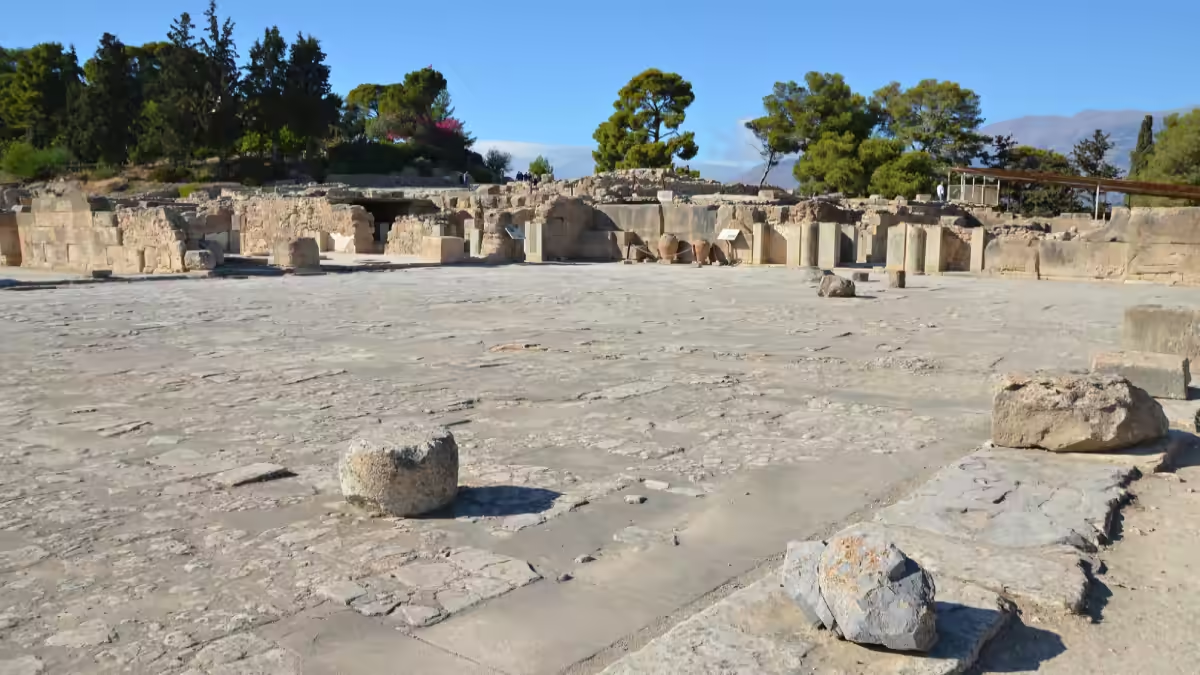
Central Court at Knossos
The Central Court is the 50-by-25-meter open plaza at the heart of Knossos, where every wing of the palace converges. Stand here to orient yourself before exploring — this is where Minoan bull-leaping rituals likely took place and where the full scale of the complex clicks into perspective.
Explore the Central Court →Must-See Spaces Inside Knossos Palace
The most impressive rooms and architectural features to explore.
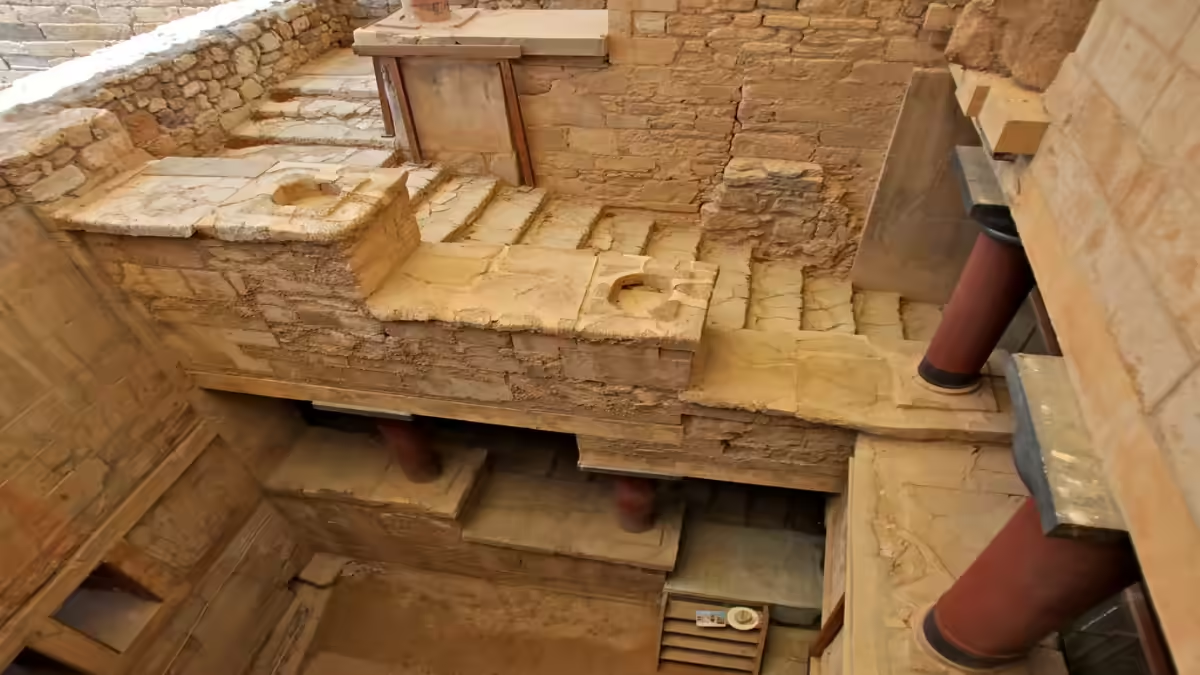
Grand Staircase: Minoan Multi-Story Design
The Grand Staircase rises through the residential East Wing around a central light-well, flanked by distinctive red tapering columns. Much of the surviving structure is Arthur Evans’s concrete reconstruction, yet it remains a striking example of Minoan multi-story design.
Read guide →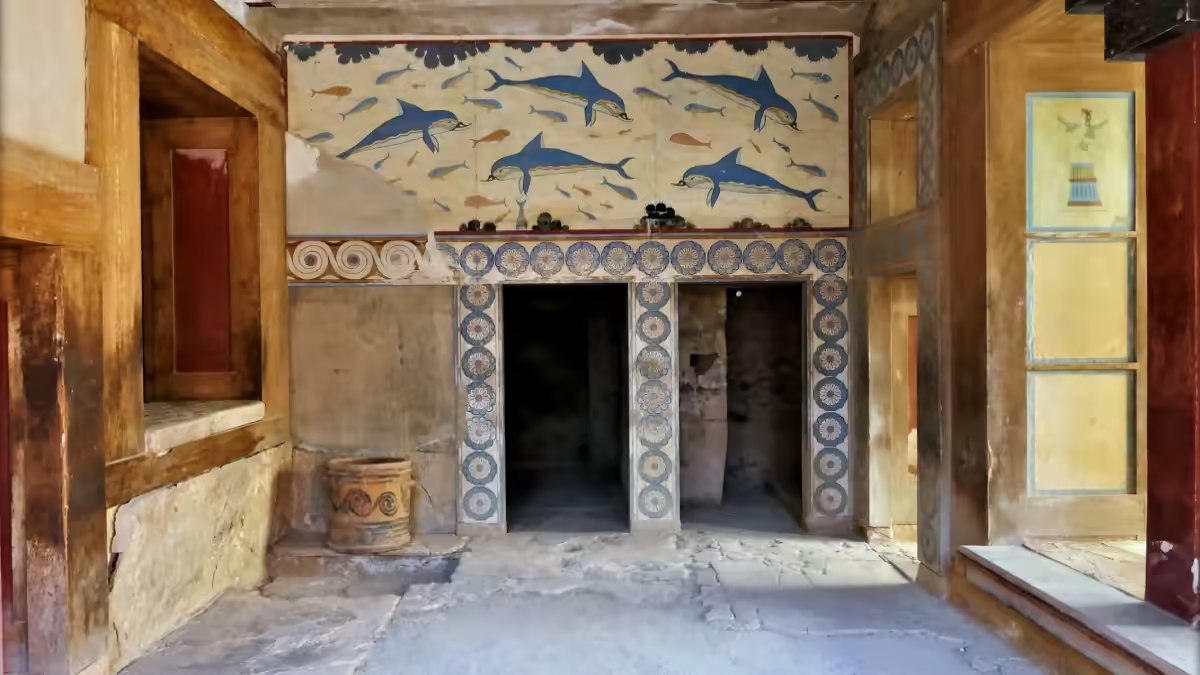
Queen’s Megaron: Dolphins & Flushing Toilet
Visit the Queen’s Megaron to see the stunning replica Dolphin fresco and marvel at the sophisticated ancient engineering, including a functioning flushing toilet built 3,500 years ago. Light-wells illuminate the palace’s advanced architectural design.
Read guide →Iconic Art and Frescoes of Knossos Palace
The stunning murals and sculptures that bring Minoan art to life.
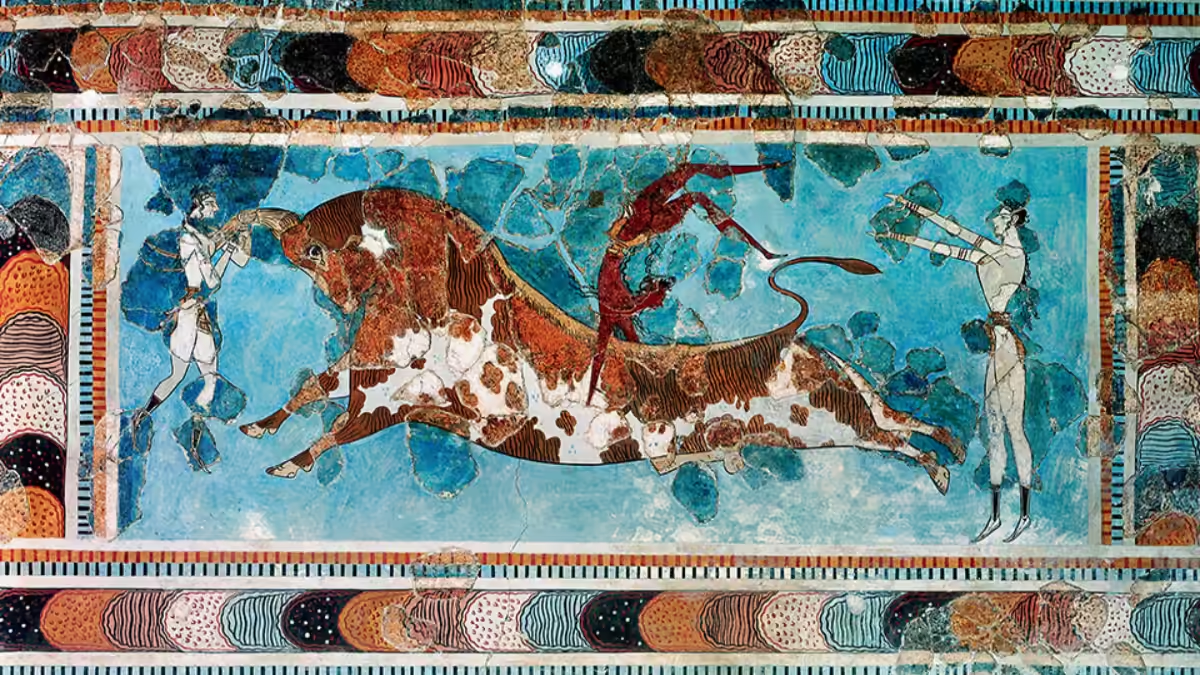
Charging Bull Fresco & North Entrance
The North Entrance ramp is crowned by the restored Charging Bull relief fresco, a replica of an ancient original. Learn why bulls held sacred significance in Minoan culture and explore the pillared hall beneath this iconic gateway.
Read guide →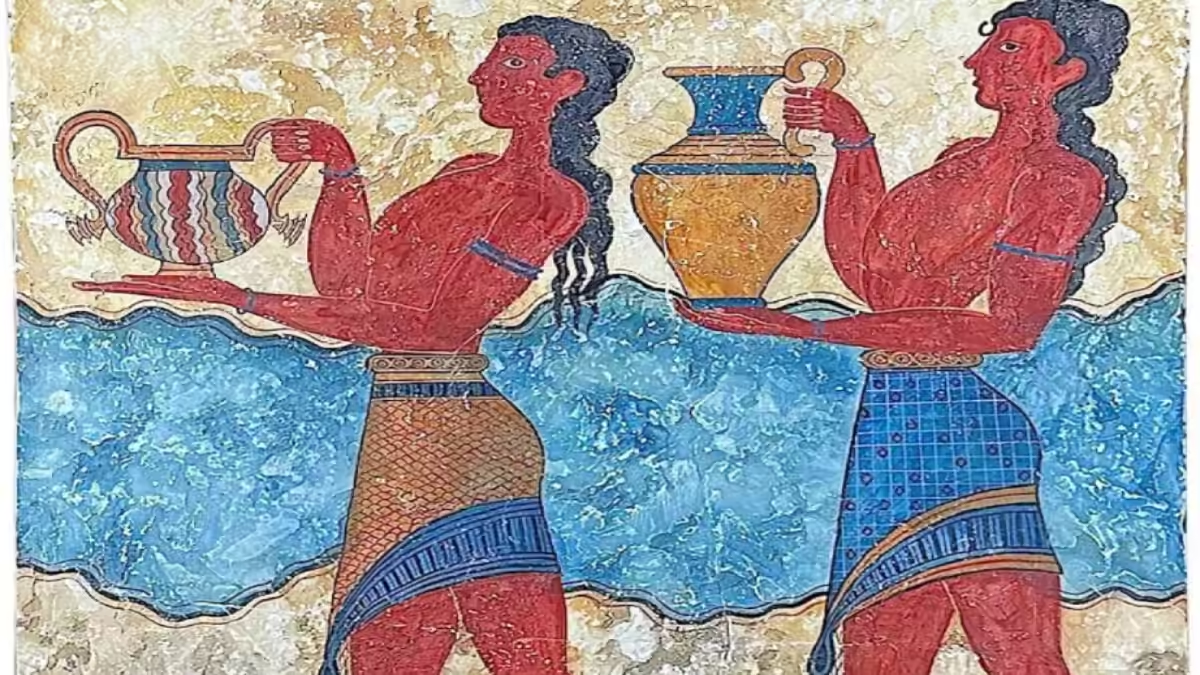
Minoan Frescoes: Originals & Reproductions
Every fresco on the Knossos site is a reproduction; the originals reside in the Heraklion museum. Explore the key paintings, the controversial Gilliéron restorations, and how to view both the site reproductions and the authentic originals.
Read guide →Myths and Civilization Behind Knossos Palace
The Minotaur legend and the people who built this ancient world.
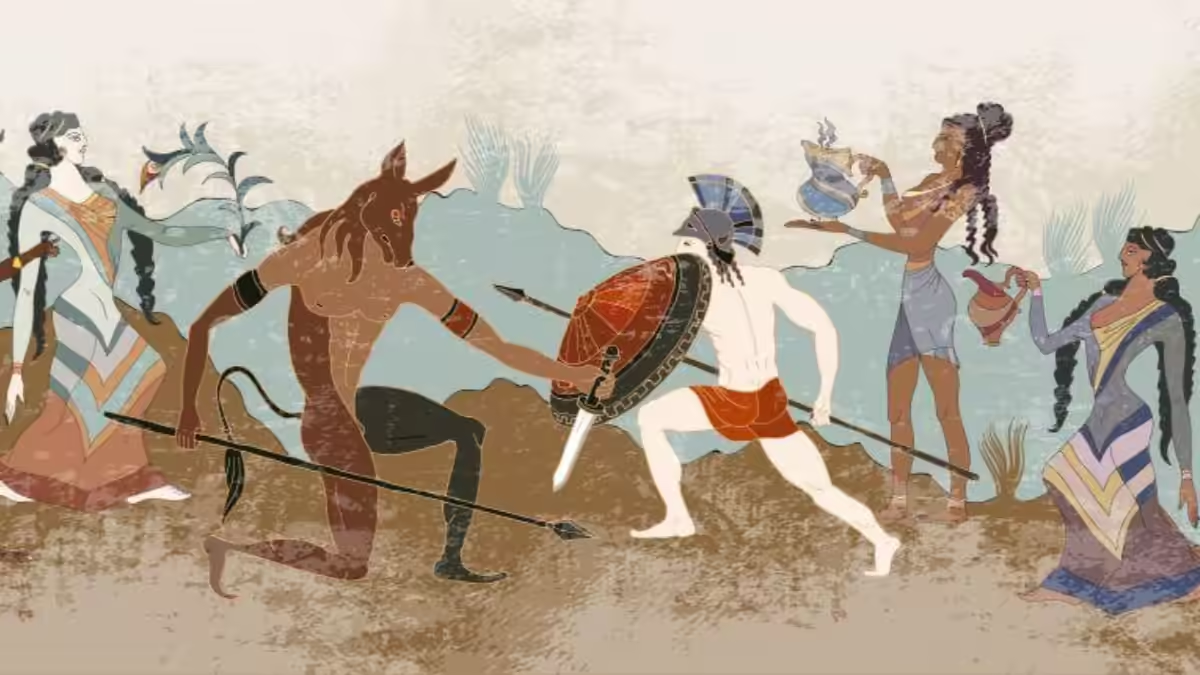
Minotaur Myth & Knossos Labyrinth
Explore the myth of Theseus, Ariadne’s thread, and the fearsome Minotaur’s Labyrinth. Discover how this ancient Greek legend connects to the real 1,300-room palace of Knossos and its vast, maze-like corridors.
Read guide →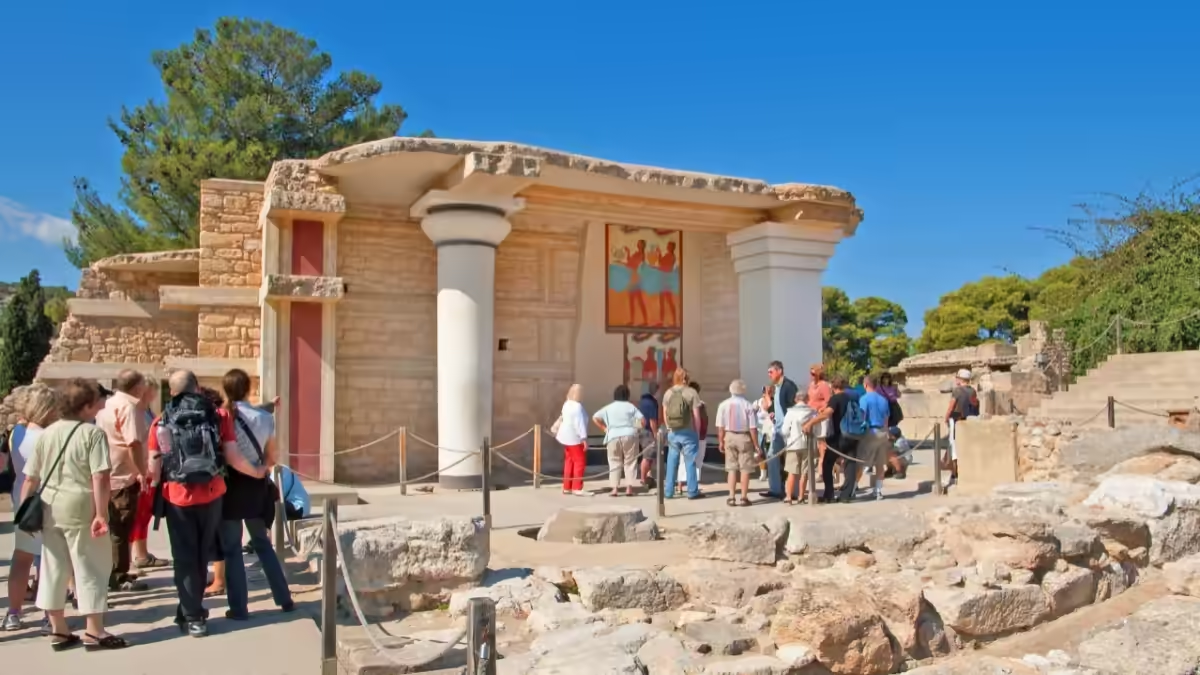
Minoans: Europe’s First Advanced Civilization
Discover who the Minoans were — Europe’s first advanced civilization flourishing on Crete around 1900 BC. Learn about their sophisticated society, remarkable art and trade networks, religious practices, and their written scripts.
Read guide →The History and Legacy of Knossos Palace
From Neolithic origins to Evans’s controversial reconstruction.
Knossos Timeline: Neolithic to Today
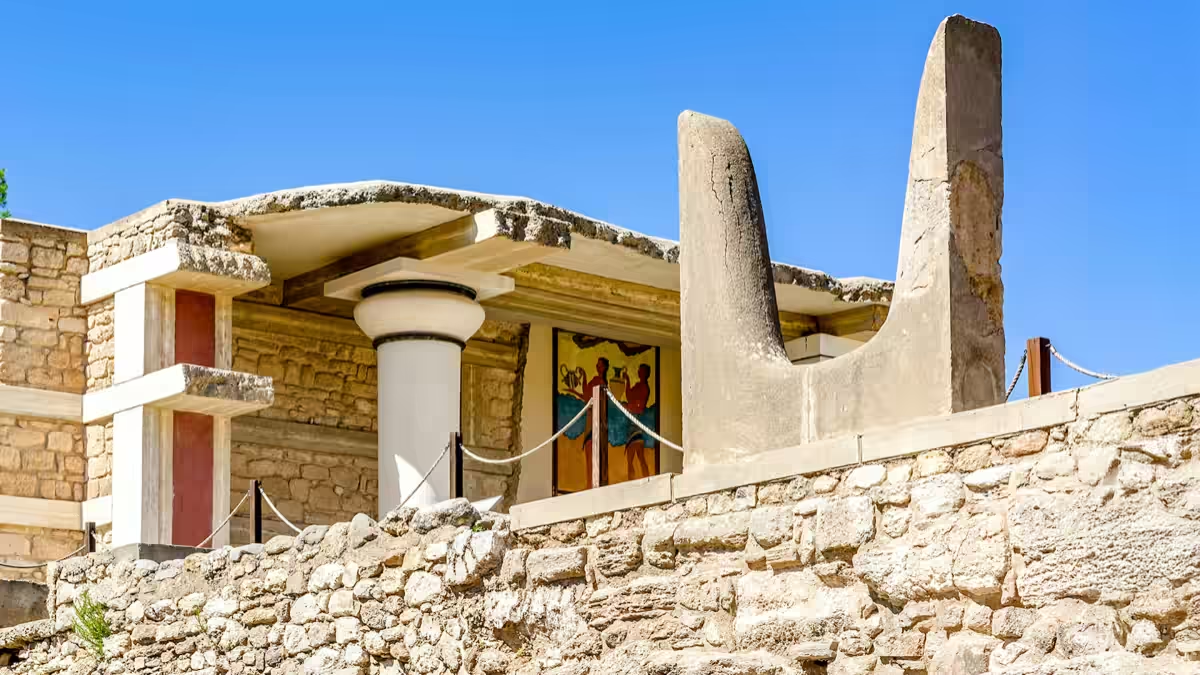
Trace Knossos from its Neolithic settlement through the rise of the first palaces around 1900 BC to its decline by 1350 BC. Discover how Arthur Evans’s excavation from 1900 onward reshaped our understanding of the Minoan civilization.
Read guide →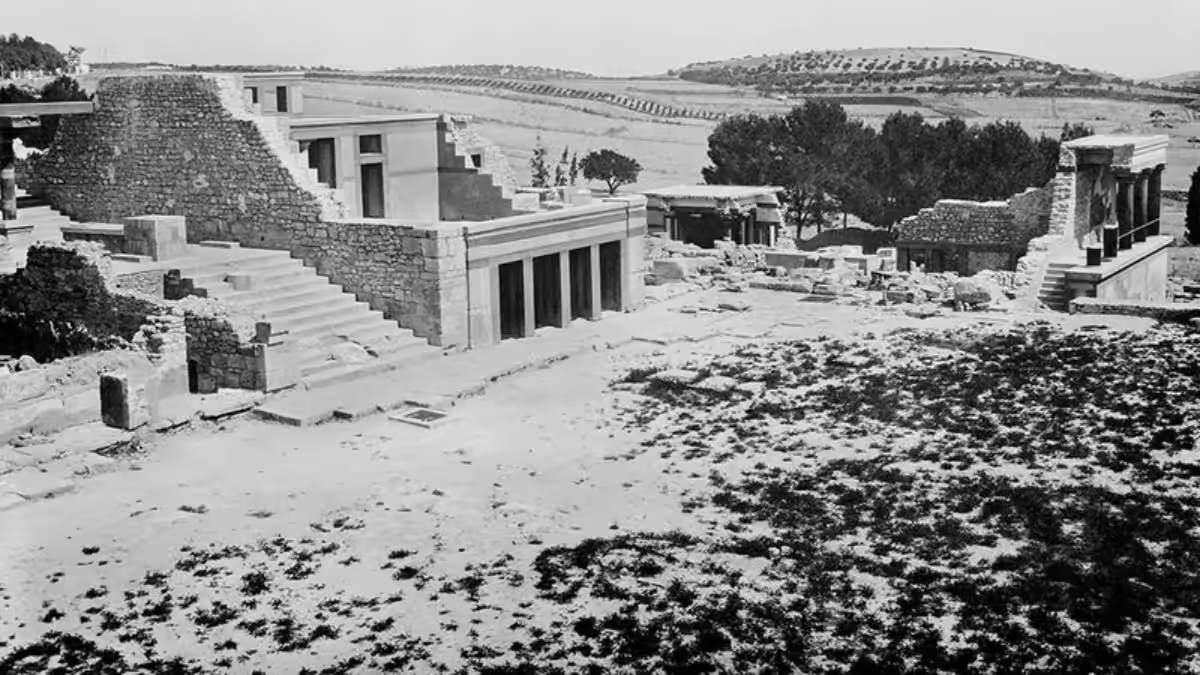
Arthur Evans & Knossos Reconstruction
Learn how Arthur Evans rebuilt Knossos in concrete starting in 1900, including the controversial Gilliéron frescoes. Understand the ongoing debate over whether the reconstruction preserves authentic Minoan architecture or invents it.
Read guide →How to Choose What to See at Knossos Palace
A quick guide based on your interests and visit style.
Short on Time
With just an hour, focus on the three spots that capture the essence of Minoan Crete.
- Start at the Central Court — the hub that orients you to the entire palace layout
- See the Throne Room with Europe’s oldest surviving throne
- Pass through the North Entrance for the iconic Charging Bull fresco
First-Time Visitors
Ground yourself in the story before exploring the stones — Knossos rewards visitors who understand what they’re looking at.
- Read up on who the Minoans were before you arrive
- Walk the Central Court to grasp the palace’s massive scale
- Visit the Throne Room and Queen’s Megaron for the palace’s most vivid interiors
- End with the Evans reconstruction story — it reframes everything you just saw
Architecture Lovers
Knossos pioneered multi-story construction, light wells, and drainage systems 3,500 years ago.
- Study the Grand Staircase — a four-storey feat with tapered columns and a central light well
- Marvel at the Queen’s Megaron flush toilet and clay-pipe drainage
- Trace the full timeline to see how the palace was built, destroyed, and rebuilt across centuries
Visiting with Kids
Lead with the myth — once kids picture the Minotaur lurking in the labyrinth, every corridor becomes an adventure.
- Tell the Minotaur and Labyrinth story before you enter — it turns the ruins into a treasure hunt
- Let them spot the Charging Bull fresco and connect it to the bull-leaping legend
- The dolphin and monkey frescoes are colourful enough to hold any attention span
- Keep the visit under 90 minutes — shade is scarce and the site bakes in summer
Continue Exploring Knossos Palace
Book your tickets and plan the practical details of your visit.
Tickets & Tours
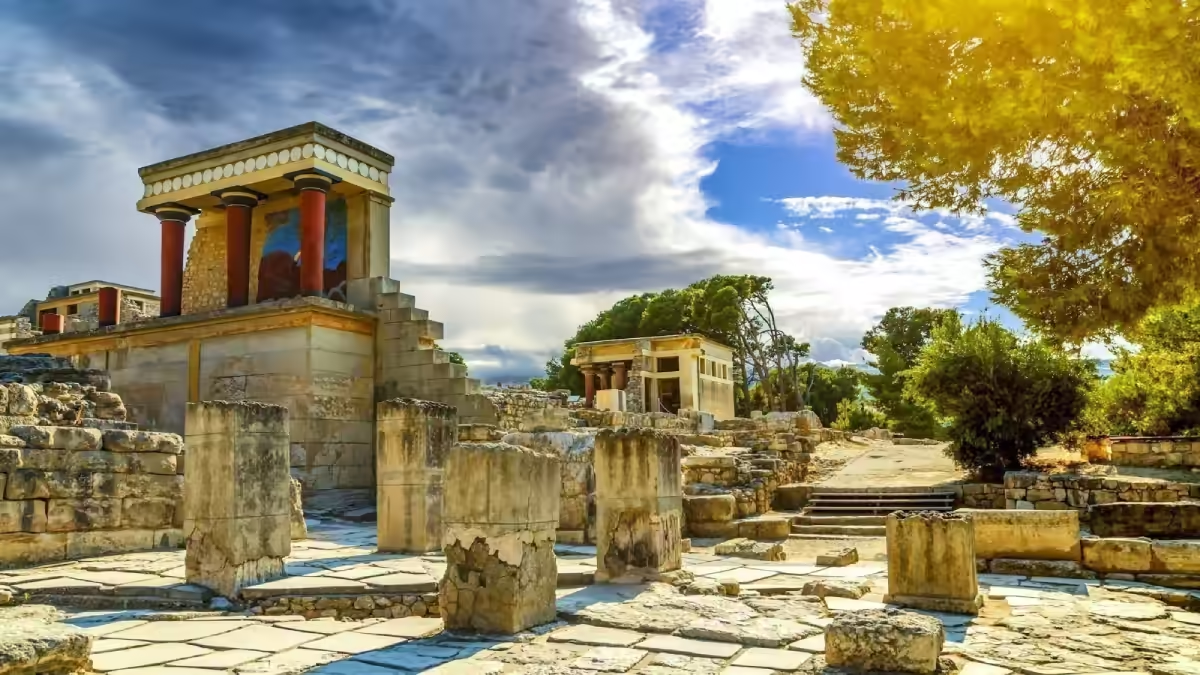
Compare prices and book entry tickets, audio guides, and guided tours.
Compare all tickets →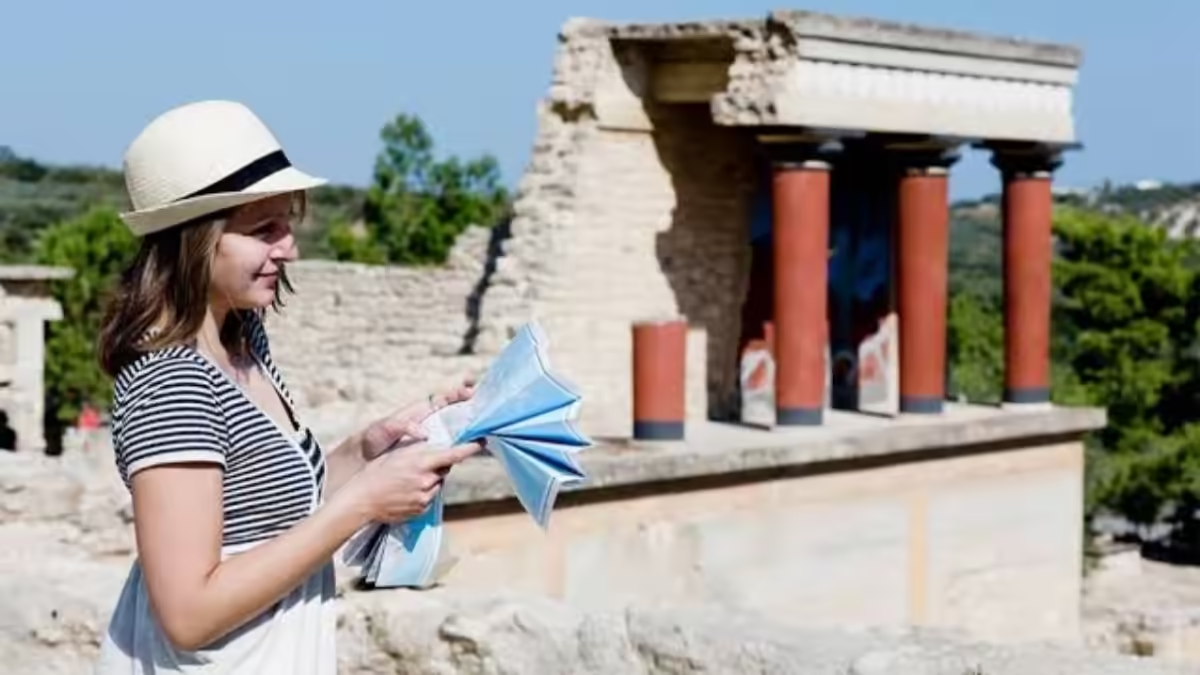
Plan Your Visit
Opening hours, getting there, what to wear, and visitor tips.
Read planning guides →Frequently Asked Questions
Common questions about what to see and prioritise.