
Free Entry Days & Discounts at Knossos: Who Qualifies
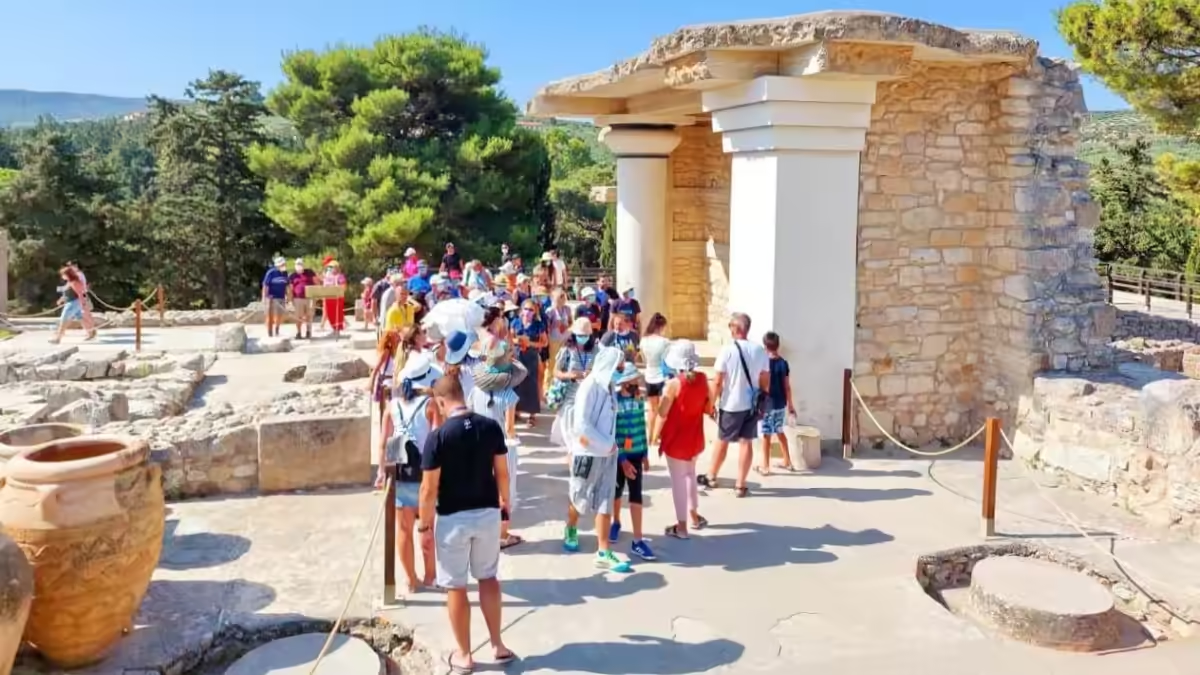
The Palace of Knossos is free to enter on the first and third Sundays of each month from November to March, plus several national free-admission days such as March 6, April 18, May 18, the last weekend of September, and October 28. Under-18s and EU citizens under 25 are always free with ID, and reduced admission of around €8–10 covers other categories. Free days are busier than usual.
Since a recent reform standardized the €20 adult ticket across the whole year, the winter price discount is gone — but Knossos still offers plenty of ways to pay less or nothing at all. Between free-admission days, permanent exemptions for younger visitors, and reduced rates for eligible groups, a good chunk of visitors don’t pay full price.
This guide lists every free-entry day worth planning around, explains who qualifies for free or reduced admission, and warns you about the one real catch: free days draw the biggest crowds of the year.
Free & Reduced Entry at a Glance
| Category | Cost | Notes |
|---|---|---|
| Under-18 (any nationality) | Free | ID or passport may be requested |
| EU citizens under 25 | Free | Valid ID required |
| Reduced categories | around €8–10 | Non-EU seniors, some students; confirm |
| Winter free Sundays | Free | 1st & 3rd Sundays, November–March |
| National free days | Free | e.g. Mar 6, Apr 18, May 18, Oct 28 |
Free days and eligibility rules can change, so confirm on the official Hellenic Heritage portal before relying on them.
Free-Admission Days at Knossos
Knossos is free for everyone on the first and third Sundays of the month from November through March, and on national free-admission days that typically include March 6, April 18 (International Monuments Day), May 18 (International Museum Day), the last weekend of September, and October 28 (Ohi Day). These dates open the site to all visitors at no charge, but they are noticeably busier than a normal day.
The free Sundays run only through the winter half of the year, from November to March, and only on the first and third Sunday of each month — not every Sunday. On top of that, a set of national free-admission days falls across the calendar, tied to cultural and civic occasions. The exact dates can shift slightly year to year and are set by the Greek Ministry of Culture, so treat the list as a strong guide rather than a guarantee and verify before you build a day around it. Because the €20 price is now the same in every season, our Knossos tickets guide explains why these free days, rather than winter timing, are where the real savings now sit.
Who Enters Free Year-Round
Some visitors pay nothing on any day of the year. All under-18s enter free regardless of nationality, and EU citizens aged under 25 are also admitted free on production of valid ID — so bring a passport or national ID card, as staff can ask for proof. These permanent exemptions apply alongside the free-admission days, so a family with teenagers, for example, often pays only for the adults. If you’re visiting with children, our guide to Knossos with kids covers what to expect on the uneven, shade-free site.
Reduced-Price Tickets
Reduced admission of around €8–10 applies to categories such as non-EU citizens over a certain age and some students, roughly half the €20 adult rate. The exact list of who qualifies changes periodically, so carry documentation that proves your eligibility and confirm the current terms before you travel, since assuming an old rule still applies can leave you paying full price at the gate.
Reduced tickets sit at roughly half the adult price and cover a shifting list of categories. Non-EU seniors and certain students are the usual beneficiaries, but the specific age thresholds and accepted documents are adjusted from time to time, so it’s worth checking rather than assuming. Whatever your category, bring the relevant ID or student card, because eligibility is checked at the booth. If you don’t qualify for a reduction and you’re visiting in peak season, it can still be worth comparing a guided walking tour that includes entry, a licensed guide, and genuine line-skipping for the extra outlay.
The Catch: Free Days Are Busy
Free admission is a real saving, but it comes with a crowd. Because entry costs nothing, free-admission days and winter free Sundays pull in far more visitors than a normal day, and the entrance can back up well beyond its usual pace. On an open-air site with almost no shade, a bigger crowd also means slower going around the Throne Room and the narrow residential quarters. If you go on a free day, arrive right at the 8:00 AM opening to get ahead of the rush, and check our guide to opening hours for the quietest windows. For visitors who’d rather skip the extra queue a free day creates, the Knossos entry ticket booked for a timed slot on a paid day can be the calmer choice.
Frequently Asked Questions
When is Knossos free to enter?
Knossos is free on the first and third Sundays of each month from November through March, and on national free-admission days that usually include March 6, April 18, May 18, the last weekend of September, and October 28. In addition, under-18s and EU citizens under 25 enter free all year with ID. Dates can change, so confirm on the official portal first.
Are all Sundays free at Knossos?
No. Only the first and third Sundays of the month are free, and only during the winter half of the year, from November to March. Other Sundays, and all summer Sundays, charge the standard €20 adult rate. It’s a common misunderstanding, so double-check the date before planning a free Sunday visit, because turning up on the wrong Sunday means paying full price.
Do children get in free?
Yes. All under-18s enter free regardless of nationality, though staff may ask to see a passport or ID to confirm age. This exemption applies every day of the year, not just on free-admission days. If you’re visiting as a family, that often means paying only for the adults, which makes Knossos more affordable than the €20 headline rate first suggests.
Do EU citizens under 25 pay anything?
No. EU citizens aged under 25 enter free on production of valid ID, such as a passport or national identity card. Carry proof, because eligibility is checked at the booth and a claim without documentation won’t be accepted. Non-EU visitors under 25 don’t get this particular exemption, but under-18s of any nationality are always free.
How much is a reduced ticket?
Reduced admission is around €8–10, roughly half the €20 adult price. It covers categories such as non-EU seniors and some students, though the exact eligibility rules change periodically. Bring documentation that proves your category, and verify the current terms before you travel rather than assuming an older rule still applies, since the booth checks eligibility on the spot.
Are free-admission days worth it?
They can save the €20 entry, but they’re the busiest days of the year, so weigh the saving against the crowds. On an open-air site with little shade, a packed free day makes the highlights slower to reach and less pleasant in the heat. If you go, arrive at opening. If your schedule is flexible, a normal paid day with a timed ticket is often the more relaxed experience.
Can I combine free entry with a guided tour?
Not usually in a way that saves money. Guided tours charge for the guide’s time and their price typically includes the €20 entry, so a free day doesn’t discount a tour. If cost is the priority, use a free day with a self-guided visit; if experience and line-skipping matter more, a paid guided tour is better value even when free entry is available. Our guide to skip-the-line tickets compares the two.
Do I still need to book on a free day?
You don’t pay, but on the busiest free days a booked timed slot can still help you avoid the longest entrance queues. Check the official portal, since booking arrangements for free days vary. Either way, the surest tactic on a free day is to arrive right at the 8:00 AM opening, before the crowds that free admission inevitably attracts have built up.
