
What to Wear & Bring to Knossos: Full Packing Checklist
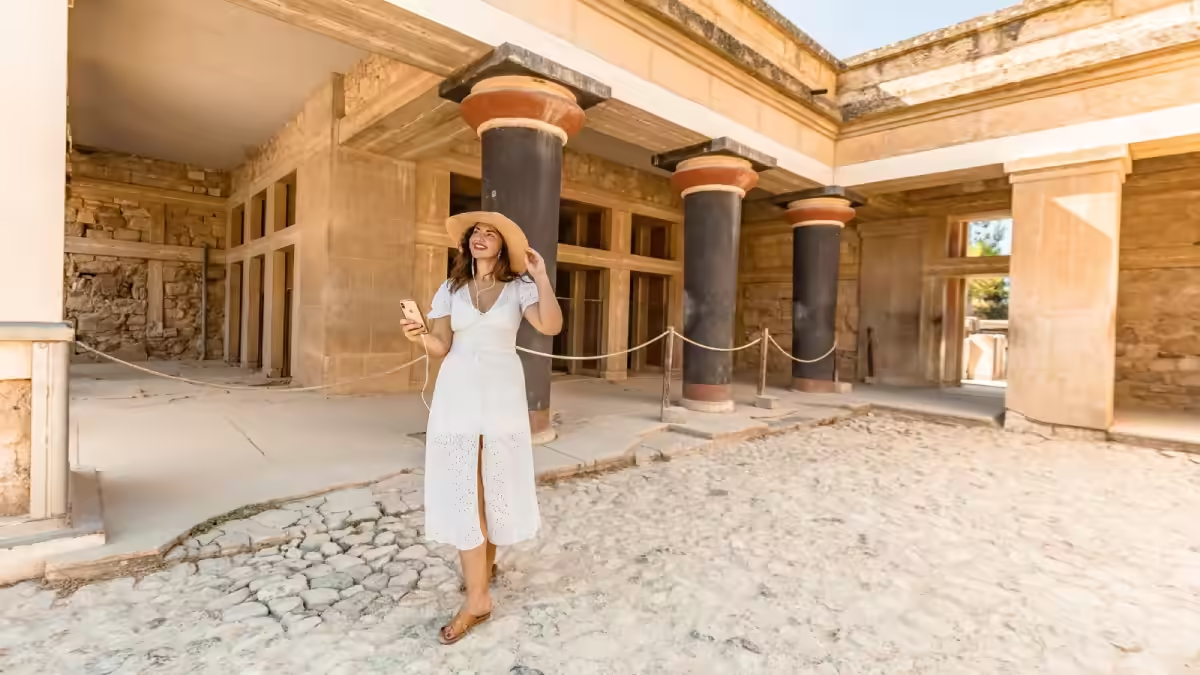
Wear closed, comfortable shoes for the uneven stone paths and light, breathable clothing, and bring a sun hat, sunglasses, high-factor sunscreen and at least a liter of water. The Palace of Knossos is an open-air site with almost no shade, and a typical visit lasts 1.5–2 hours. Keep bags small — large luggage is not allowed through the gate.
Knossos rewards a little planning in your daypack. This is a 4,000-year-old Minoan palace spread across an open hillside about 5 km south of Heraklion, with worn steps, uneven gypsum paths and virtually no shade once you leave the entrance. In summer the exposed stone radiates heat, and the walking adds up over the 1.5 to 2 hours most visitors spend on site.
What you wear and carry makes the difference between a comfortable morning and a hot, footsore slog. This guide runs through what to wear, what to pack, and what to leave behind at your hotel or in the car.
Knossos Packing Checklist at a Glance
| Item | Why it matters |
|---|---|
| Closed, comfortable shoes | Uneven stone paths and worn steps |
| Sun hat & sunglasses | Almost no shade anywhere on site |
| High-factor sunscreen | Exposed hillside, strong Cretan sun |
| Water (1 liter or more) | Limited refill points; hot in summer |
| Light, breathable clothing | Long, warm walk in the open air |
| Small bag or daypack | Large bags are not permitted at the gate |
What to Wear at Knossos
Wear closed, comfortable walking shoes or sneakers with a good grip, and light, breathable clothing such as cotton or linen. The paths are uneven gypsum and worn stone, and the site is fully exposed to the sun, so save the sandals and flip-flops for the beach. A brimmed hat and sunglasses round out the outfit.
Footwear is the single most important choice. The palace is laid out over a slope with polished, sometimes slippery gypsum walkways, worn steps and gravel stretches, so closed shoes or sneakers with decent tread are far safer than open sandals or flip-flops. If you plan to explore every level, from the North Entrance down to the residential quarter, sturdy shoes keep you sure-footed on the Grand Staircase and the ramps.
For clothing, go light and breathable. Cotton or linen in loose cuts helps in the heat, and a long-sleeved layer or light scarf gives you sun cover without trapping warmth. There is no dress code — this is an archaeological site, not a monastery — so comfort wins. In spring or late autumn, bring a light jacket for a cooler morning start, since the site opens early and the first hours can feel fresh before the sun climbs.
What to Bring
Bring a sun hat, sunglasses, high-factor sunscreen and at least a liter of water per person, plus a fully charged phone if you are using an audio guide. There is almost no shade and few places to refill, so sun protection and hydration matter more here than at most museums. A small daypack carries it all comfortably.
Sun protection tops the list. A wide-brimmed hat, sunglasses and a high-SPF sunscreen you reapply are essential between late spring and early autumn, when the shadeless hillside gets punishing by mid-morning. Water is just as important: carry at least a liter each, since refill points are limited and the on-site options near the gate can be busy. Freeze a bottle overnight and it will still be cold when you finish.
A few extras earn their place. A phone charged and loaded with your ticket and any audio guide is worth it, since on-site signage is limited and the reconstructed walls give little context on their own. Pack a small snack, tissues or hand sanitizer, and a battery pack if you will be photographing all morning. For camera settings and the best light, our photography guide covers the details, and if you are visiting with children, our guide to Knossos with kids adds a few family items.
What to Leave Behind
Large bags, suitcases and bulky backpacks are not permitted through the gate, and there is no full cloakroom, so travel light and leave luggage at your hotel or locked in the car. Tripods and drones are generally restricted at archaeological sites without a permit, so leave those behind too. You do not need guidebooks weighing you down either — a phone with your notes or audio guide does the job. Keep valuables minimal and secure, as you would at any busy attraction.
Seasonal Notes
What you pack shifts with the calendar. In peak summer, prioritize sun and water above all and time your visit for the cool early hours; our guide to the best time to visit explains why opening time beats the midday coach crowds. In winter, the site keeps shorter hours and mornings are chilly, so add a warm layer and check the opening hours before you set out. Rain is uncommon but not unheard of in the shoulder seasons, so a compact fold-up poncho is a sensible year-round extra.
Getting there shapes your packing too. If you are taking the city bus from Heraklion rather than driving, you cannot stash extra layers in a car, so plan your daypack accordingly; our guide on how to get to Knossos covers the bus and taxi options.
Frequently Asked Questions
What should I wear to Knossos?
Wear closed, comfortable walking shoes or sneakers with good grip, plus light, breathable clothing like cotton or linen. The paths are uneven gypsum and worn stone, and the site is fully exposed to the sun, so avoid sandals, flip-flops and heavy fabrics. Add a brimmed hat and sunglasses. There is no formal dress code, so choose whatever keeps you cool and steady on your feet.
Do I need special shoes?
You do not need hiking boots, but closed shoes with a proper sole are strongly recommended over sandals. The gypsum walkways can be slippery when polished, the steps are worn, and there are gravel and ramp sections between the different wings of the palace. Sneakers or sturdy walking shoes give you the grip and support to move around confidently for the full 1.5 to 2 hours.
How much water should I bring?
Bring at least a liter per person, and more in high summer. The Palace of Knossos is open-air with almost no shade, and refill points on site are limited, so it is easy to underestimate how much you will drink. A frozen bottle that thaws slowly is ideal. If you run short, there are cafes near the entrance, though prices there run higher than in Heraklion.
Is there shade at Knossos?
Very little. The site is an exposed hillside with only occasional cover near a few reconstructed roofs and trees, so you are in direct sun for most of the visit. This is why a hat, sunglasses and sunscreen are essential from late spring to early autumn, and why arriving at opening — when the sun is lower and the air cooler — makes the biggest difference to your comfort.
Can I bring a backpack or large bag?
Small daypacks are fine, but large bags, suitcases and bulky backpacks are not allowed through the gate, and there is no full cloakroom. Leave anything oversized at your accommodation or locked in your vehicle. Keep your on-site bag light with just water, sun protection, your phone and a snack — you will be more comfortable carrying less on the uneven paths.
Should I bring sunscreen and a hat even in the shoulder season?
Yes. The Cretan sun is strong well into October and again from early spring, and the lack of shade means you catch full exposure even on a mild-feeling day. A hat, sunglasses and sunscreen are worth packing year-round; you can always leave them in your bag on a cloudy winter visit. Reapply sunscreen partway through if you are staying the full couple of hours.
Do I need to bring my own guide or audio guide?
It helps. On-site signage is limited and the reconstructed walls carry little explanation, so many visitors bring a phone loaded with an audio guide or book a live guide. If you would rather have an expert walk you through the ruins, a licensed guided walking tour brings the palace to life and saves you loading anything.
Is there anywhere to eat or refill near the entrance?
Yes. A cluster of tavernas and cafes sits near the gate, handy for a cold drink or a refill after your visit, though they are tourist-facing and pricier than the city. It is smart to carry your own water and a snack and treat the cafes as a post-visit stop. Our guide on where to eat near Knossos covers the options.
Is the site accessible for reduced mobility or strollers?
Partly. The uneven gypsum paths, ramps and worn steps make parts of the palace difficult for wheelchairs and strollers, though some areas are reachable. If mobility is a concern, plan your route in advance and consider closed, supportive footwear for anyone walking. Our accessibility guide sets out which parts of the site are manageable and where the challenges lie.
