
Plan Your Knossos Palace Visit
Everything you need to know before visiting Europe’s largest Bronze Age palace, gathered into one practical guide. Find current opening hours and last entry times, ticket prices and who qualifies for free or reduced entry, and the quickest ways to reach the site from Heraklion by city bus, taxi, or car. We also cover how long a realistic visit takes, the best months and times of day to dodge the heat and the cruise-ship crowds, accessibility across the uneven ruins, what to wear and bring, and where to eat nearby — so you arrive prepared and see Knossos at its best.
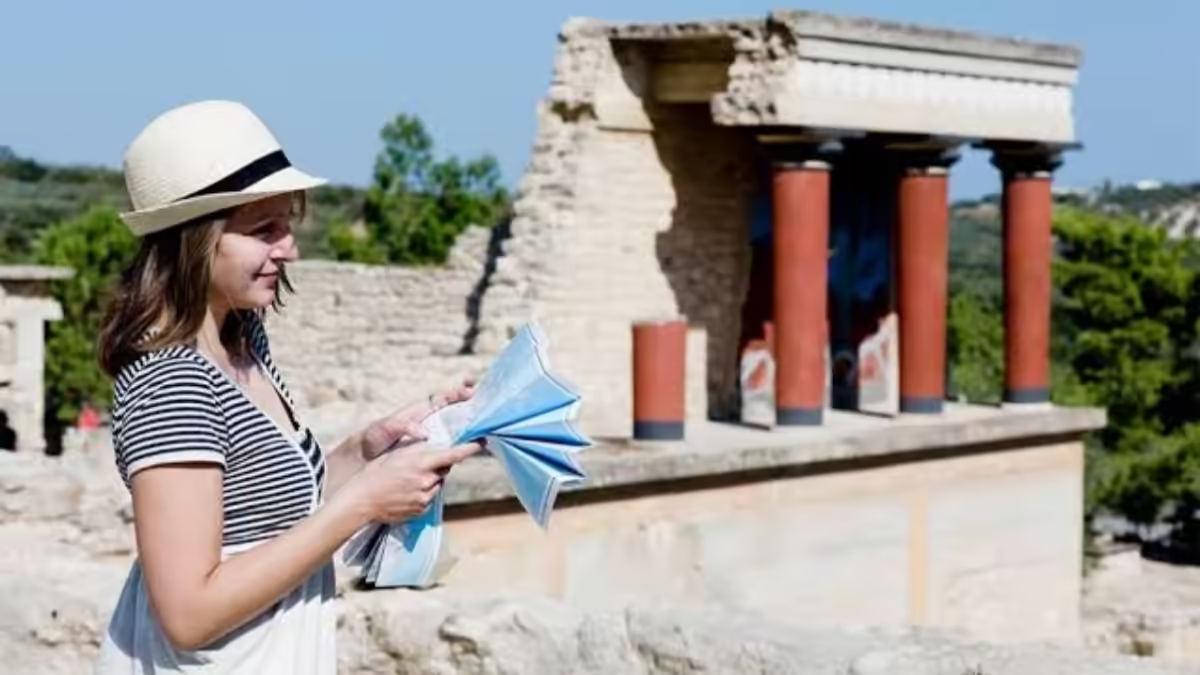
Buy tickets online in advance to skip the queue — a combo ticket covering Knossos and the Heraklion Archaeological Museum offers the best value.
Wear sturdy shoes and a hat, and check our essential travel tips so you know exactly what to expect on site.
Arrive right at opening (8 AM) or after 3 PM to dodge cruise-ship crowds. Check the seasonal schedule as winter hours are shorter.
Pick up a site map near the entrance and start from the West Court — the palace is open-air with little shade, so bring water and sunscreen.
Planning Your Knossos Palace Visit
When to go, how long to spend, and whether it’s worth it.
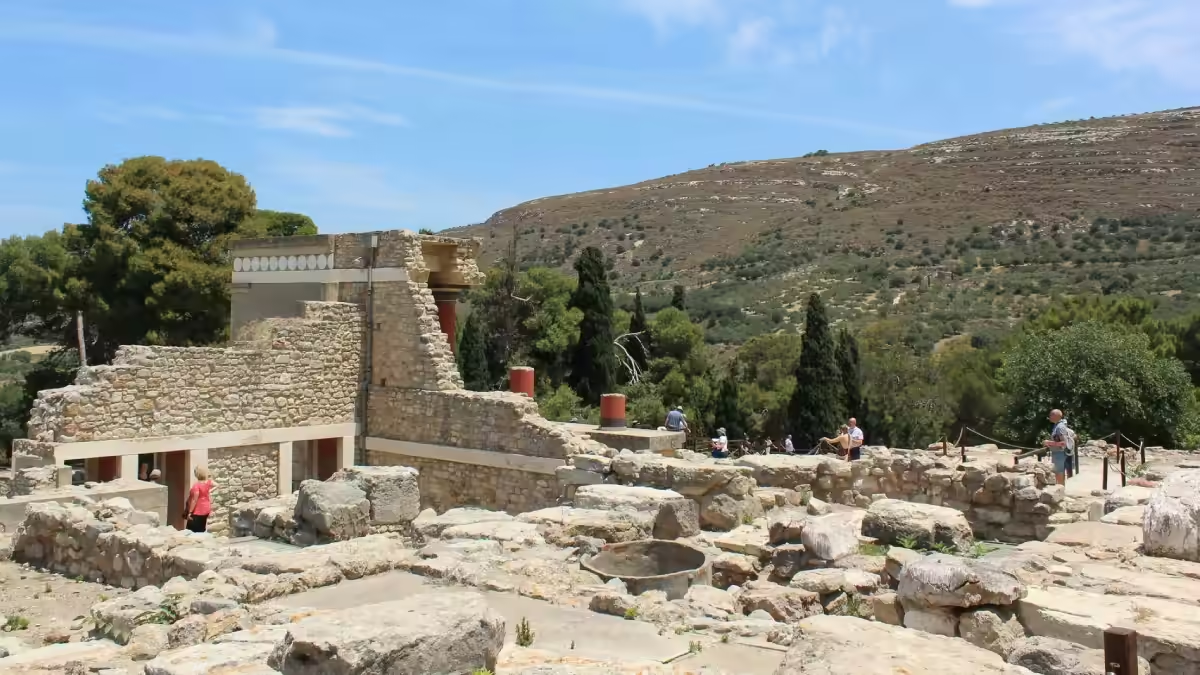
Best time to visit Knossos
Best time to visit Knossos Palace is early morning in spring or fall to avoid crowds and extreme heat at the open-air ruins.
Read guide →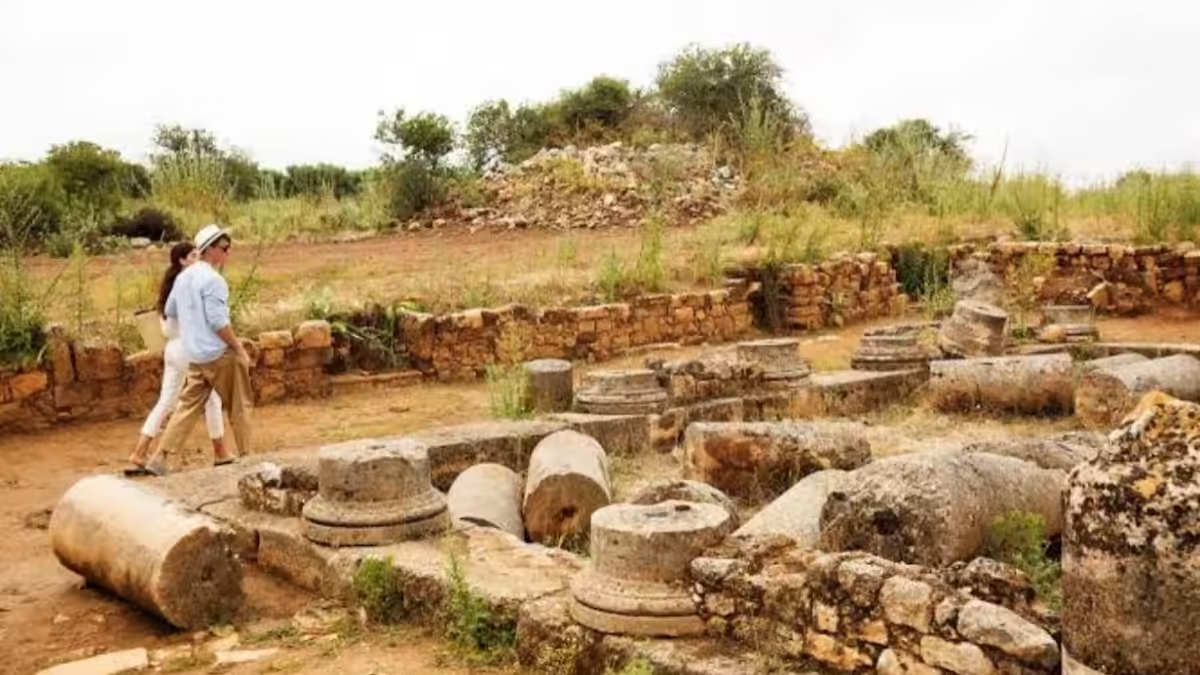
Knossos opening hours & seasonal schedule
Knossos Palace opening hours by season, last entry times, and days closed so you can plan your visit without surprises.
Read guide →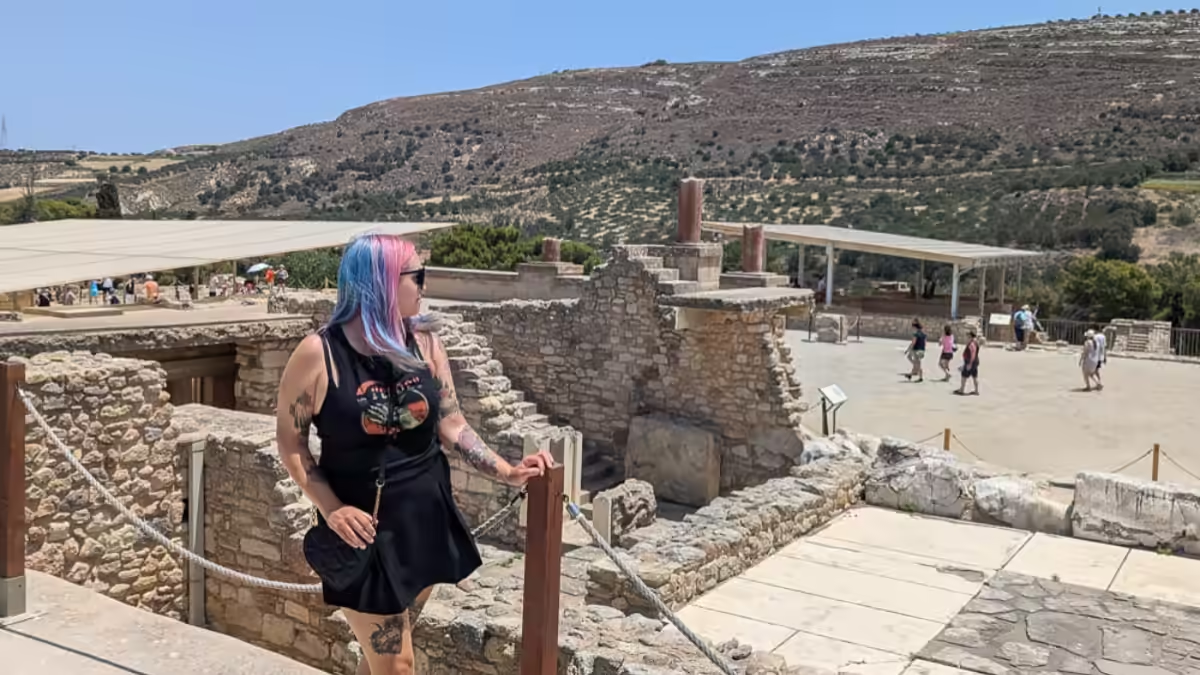
How long do you need at Knossos?
A practical guide to planning your Knossos Palace visit duration, covering tour times, what to prioritize, and tips to avoid crowds.
Read guide →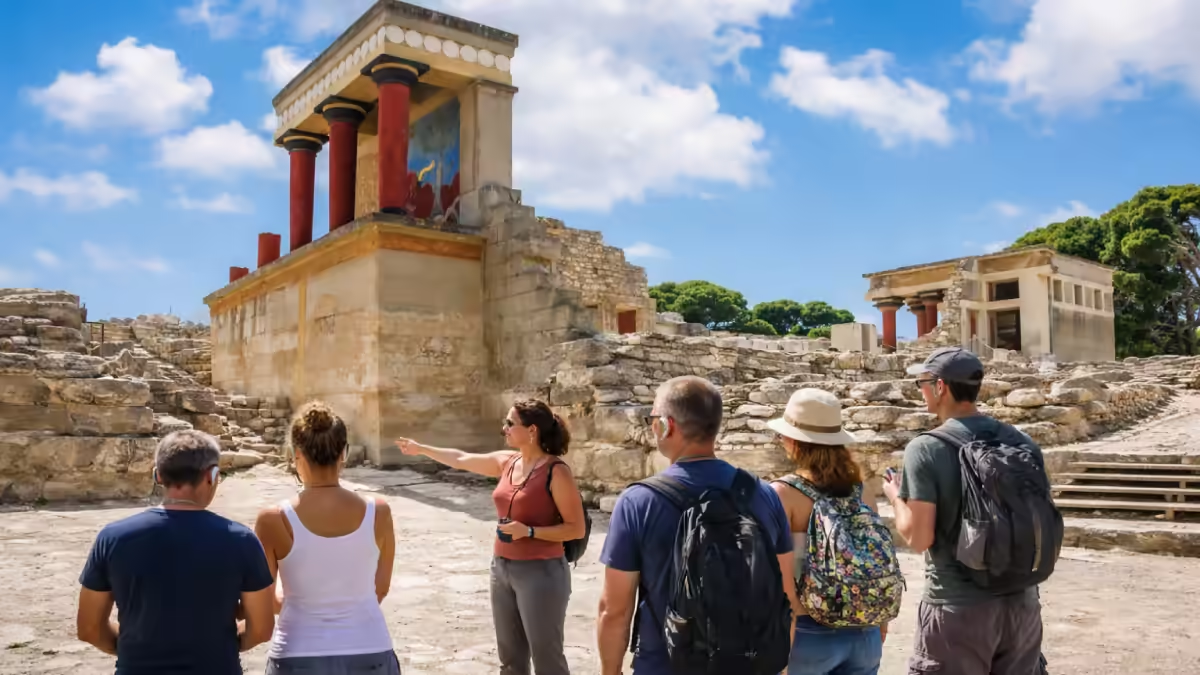
Is Knossos worth visiting? Honest 2025 review
Candid assessment of visiting Knossos Palace — what to expect, crowd levels, restoration controversies, and whether it justifies the trip from Heraklion.
Read guide →Getting to Knossos Palace
Transport options and essential tips before you arrive.
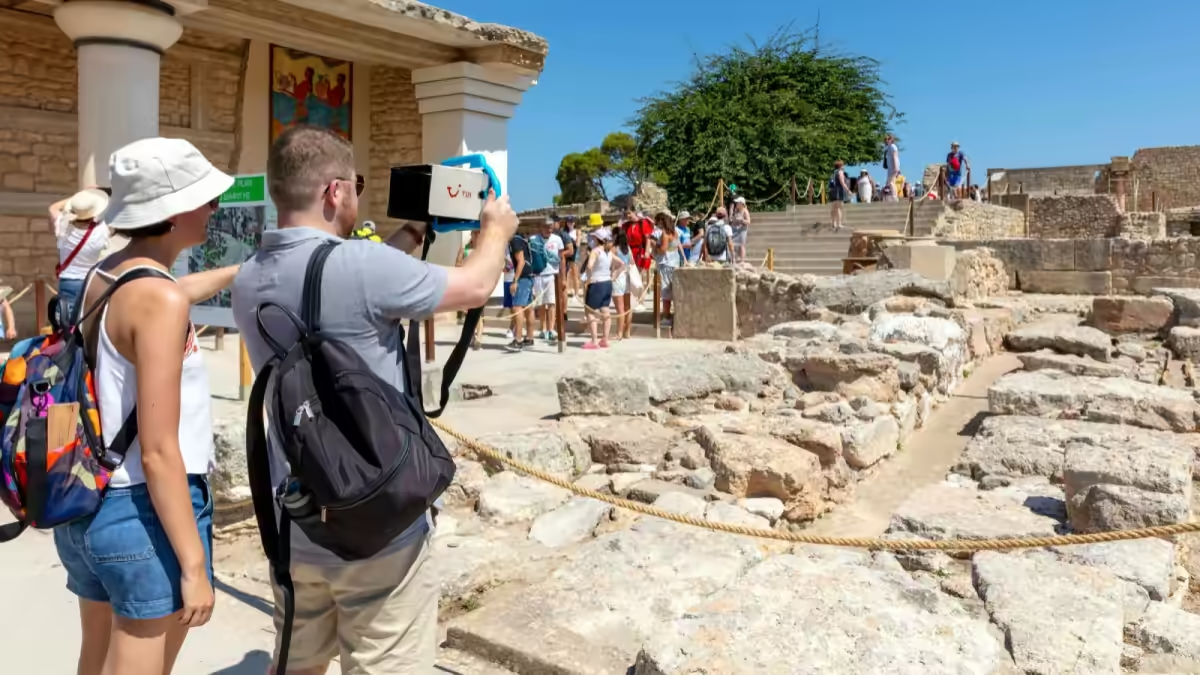
Knossos travel tips: 15 things to know before you go
Essential visitor advice covering timing, tickets, dress code, navigation, and practical logistics for exploring the Minoan palace ruins at Knossos.
Read guide →
How to get to Knossos from Heraklion: all options compared
Practical guide comparing buses, taxis, rental cars, and tours from Heraklion to Knossos Palace, with costs, travel times, and tips for each option.
Read guide →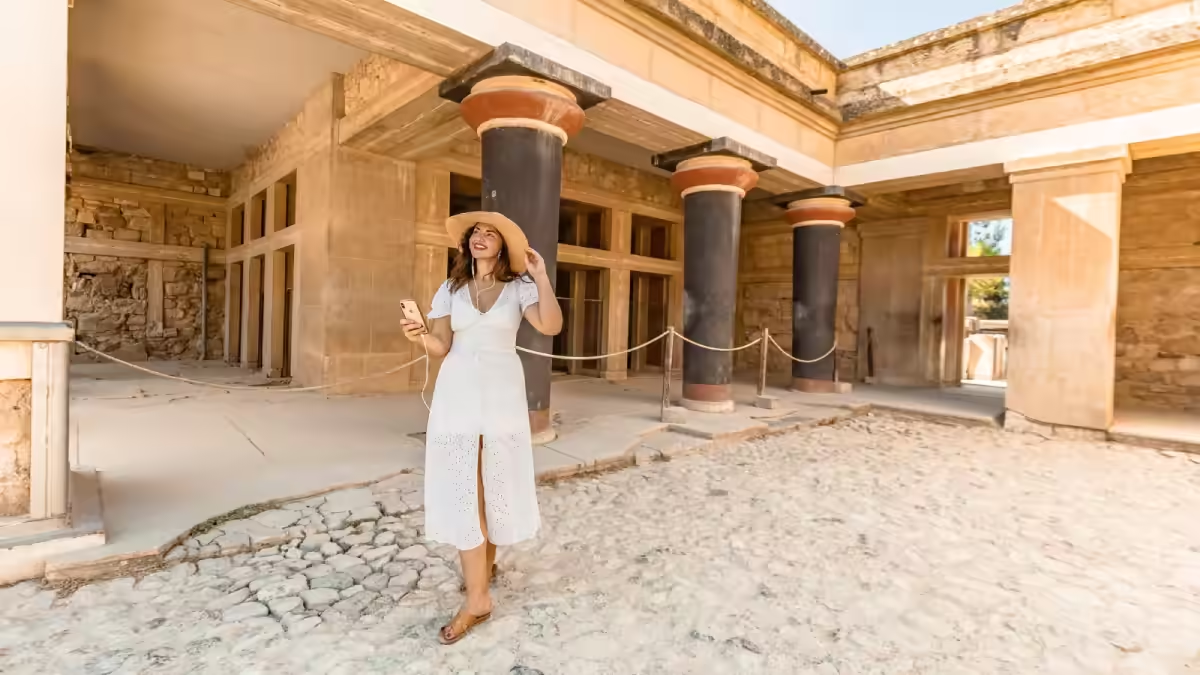
What to wear, bring & leave behind at Knossos
Practical packing checklist for visiting Knossos Palace — covers clothing, sun protection, footwear for uneven ruins, and items best left at your hotel.
Read guide →Exploring Knossos Palace On Site
Navigate the ruins, take great photos, and use the official site.
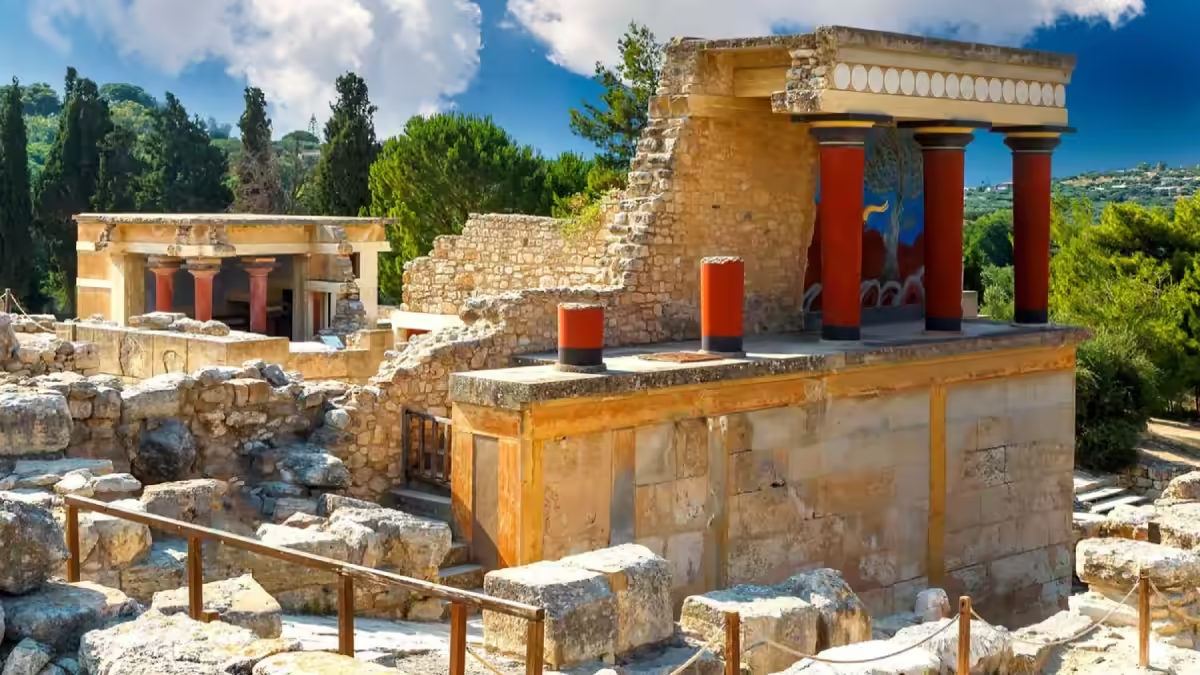
Knossos Palace official website: what you can & can’t do there
Book tickets, check hours, and see visit rules on the official Knossos Palace website — plus what’s not available online and where else to look.
Read guide →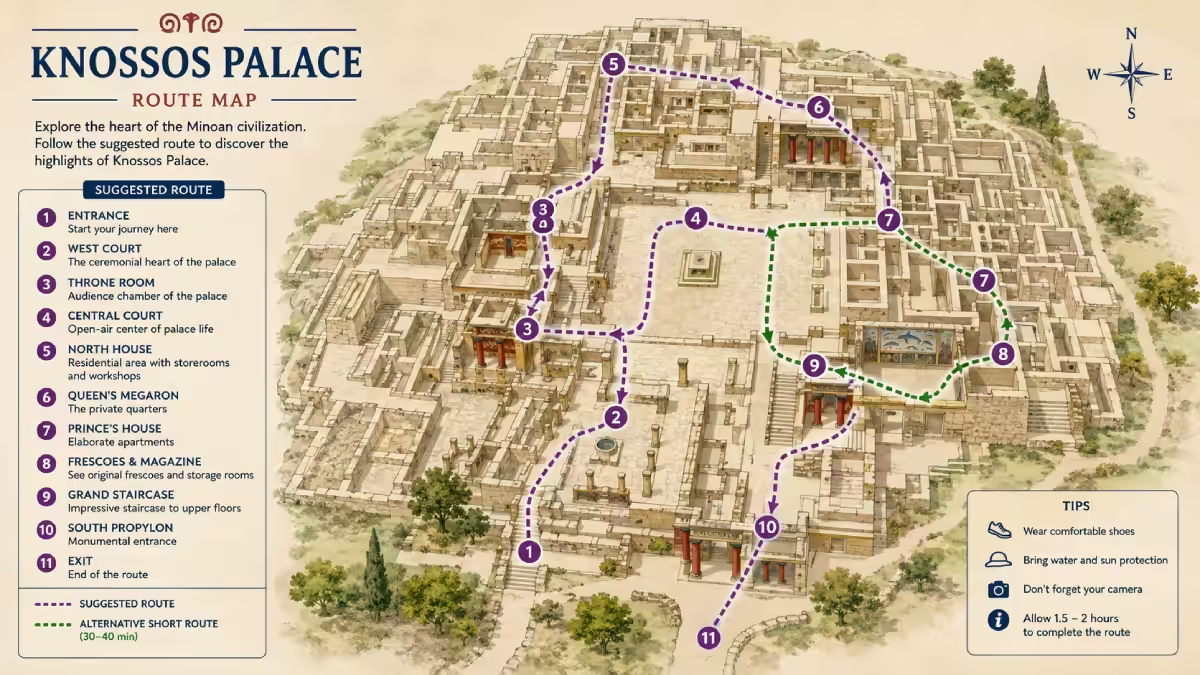
Knossos site map & layout: navigating the palace
A practical walking guide to Knossos Palace’s layout, key areas, and suggested route through the archaeological site.
Read guide →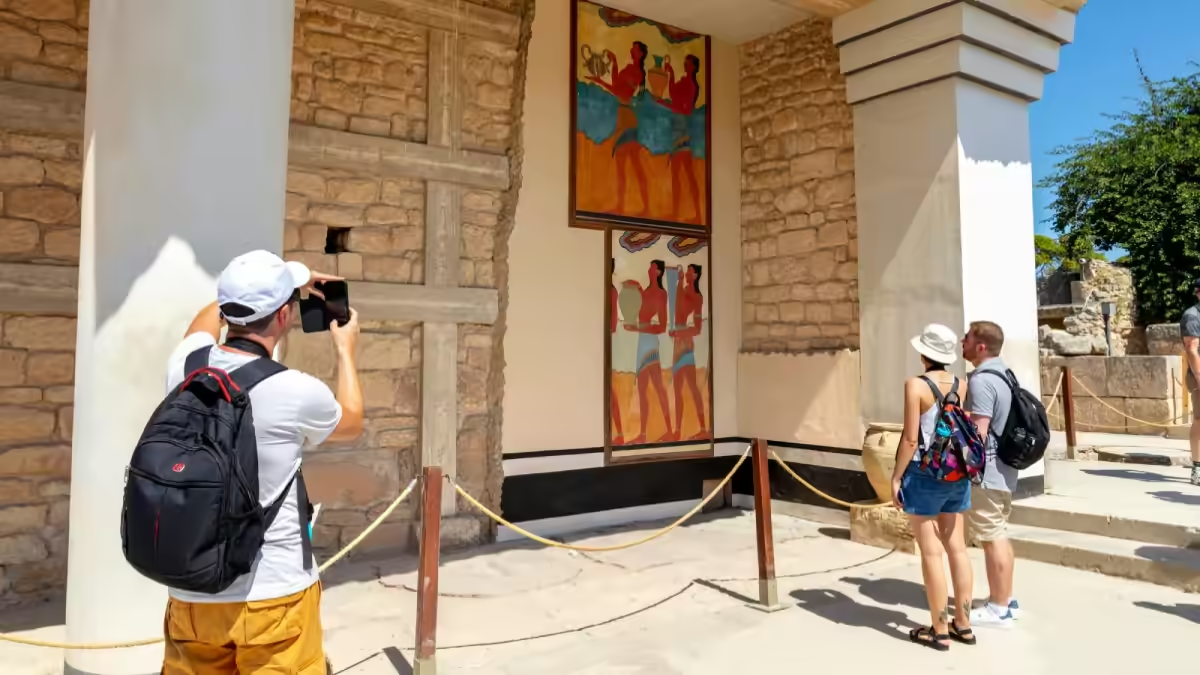
Knossos photography guide: rules, tips & best spots
Photography at Knossos Palace: what you can and can’t shoot, the best angles and times for key ruins, and gear tips for the site.
Read guide →Knossos Palace for Every Visitor
Family-friendly advice, accessibility info, and nearby dining.
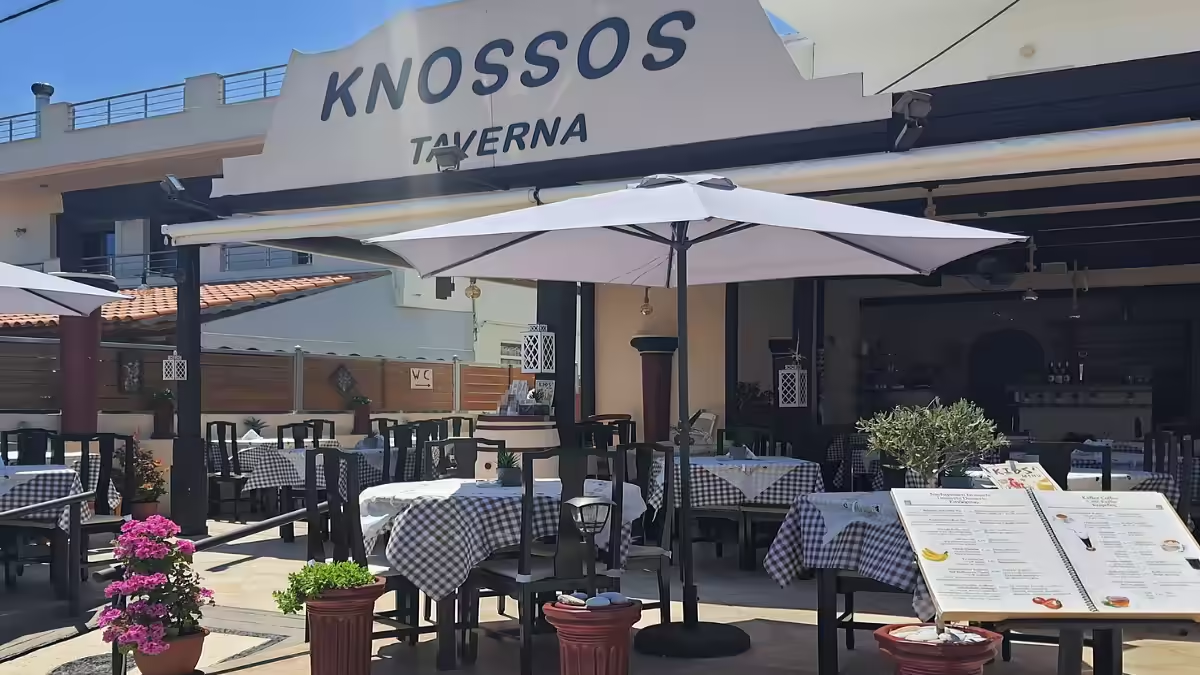
Where to eat near Knossos: best restaurants & cafes
Practical guide to dining options near Knossos Palace, including nearby restaurants and cafes with directions, price ranges, and what to order.
Read guide →
Accessibility at Knossos
What to expect for wheelchair users, visitors with limited mobility, and families with strollers at the Knossos archaeological site.
Read guide →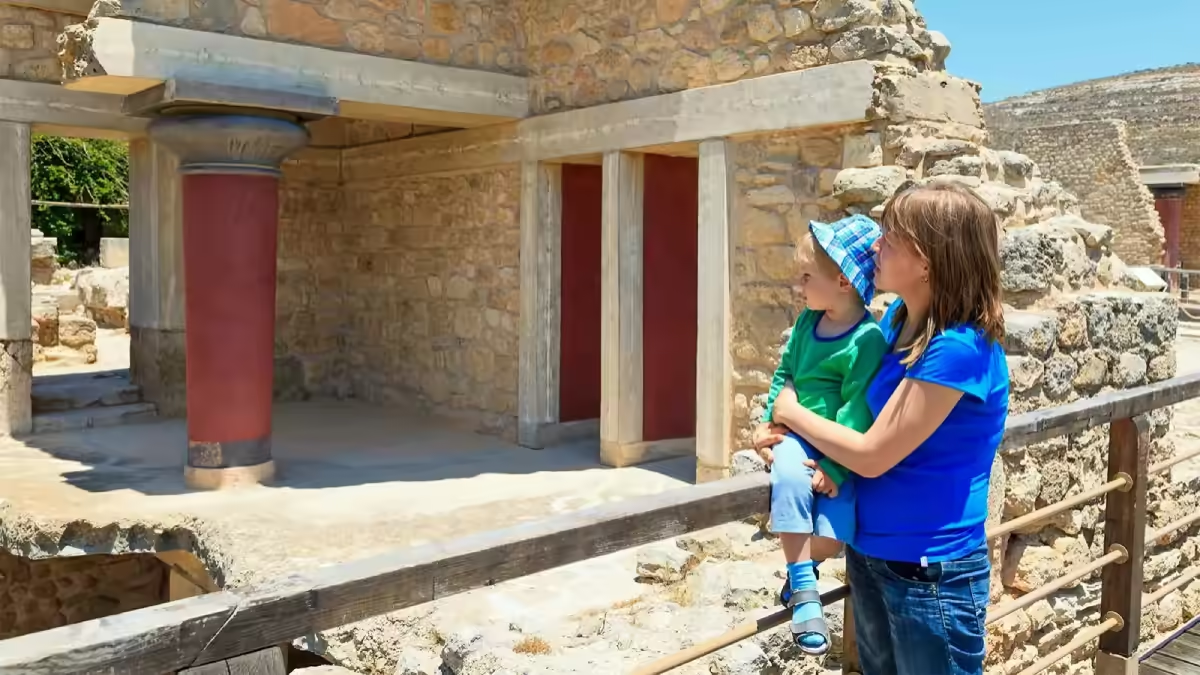
Knossos with kids: complete family guide
A practical guide to visiting Knossos Palace with children, covering age-appropriate highlights, logistics, and tips to keep kids engaged at the archaeological site.
Read guide →Knossos Palace FAQs and Comparisons
Common questions answered and how Knossos stacks up against rivals.
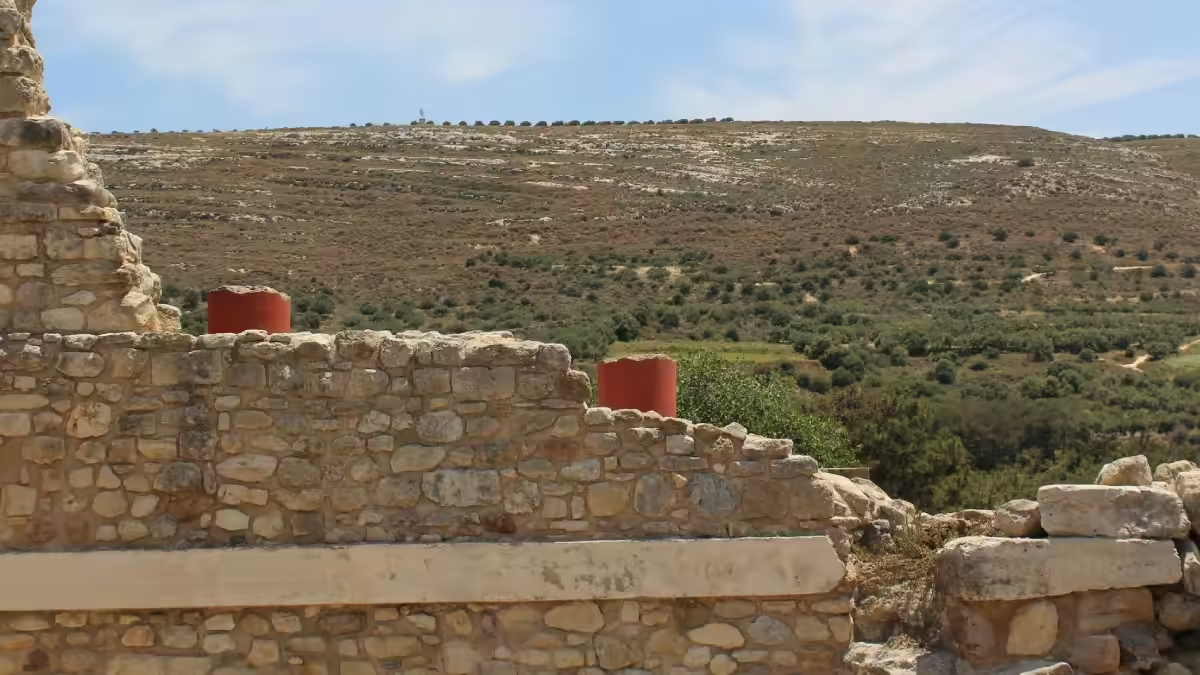
FAQs about Knossos Palace
Answers common visitor questions about Knossos Palace including hours, tickets, accessibility, guided tours, and what to expect during your visit.
Read guide →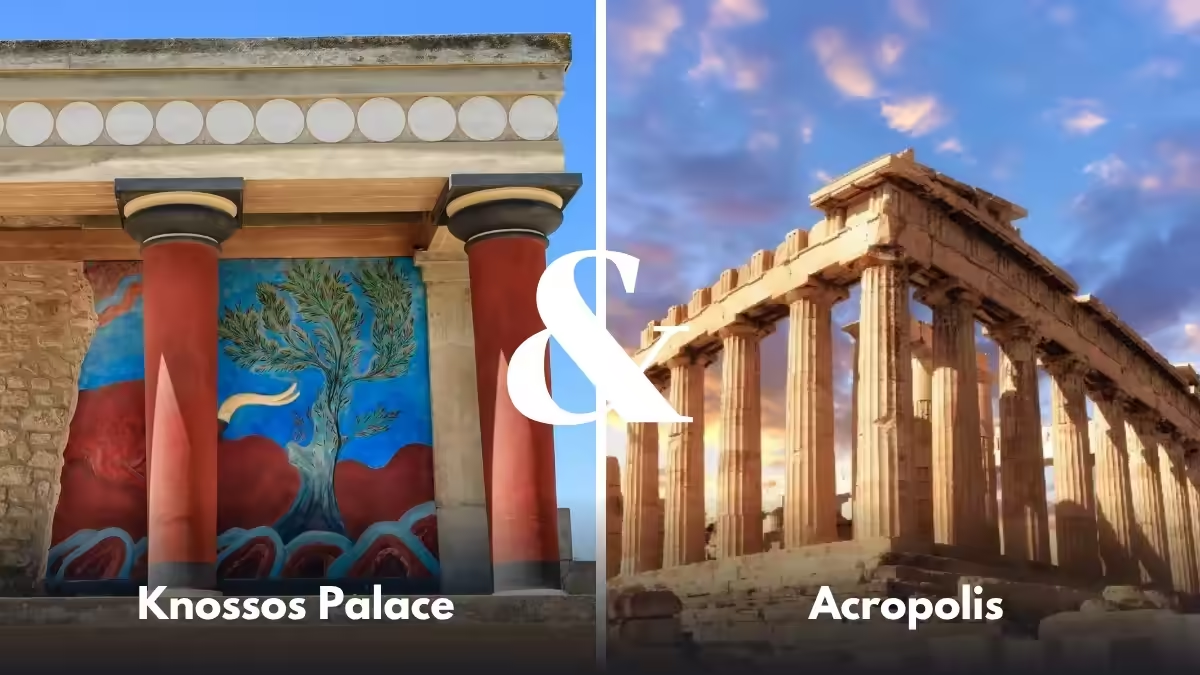
Knossos vs Pompeii & other ancient sites: how do they compare?
Compares Knossos Palace to Pompeii and other ancient sites, covering historical significance, preservation, crowd levels, and visit logistics to help you choose.
Read guide →Practical Information
Quick-read guidance for scheduling, pacing, and general comfort during your visit.
Timing & Hours
Knossos is open year-round, but crowds and heat vary dramatically by season.
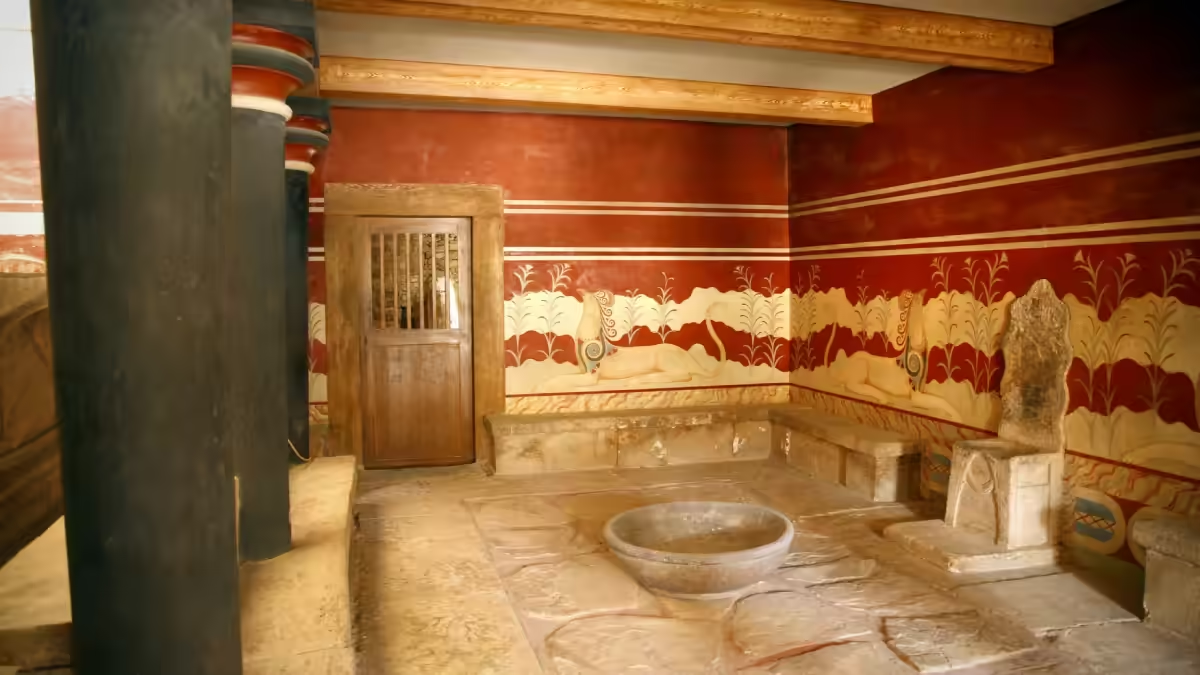
- Gates open at 8 AM — arrive by 8:15 to explore the Throne Room and Central Court before tour buses arrive around 10
- The site closes at 8 PM in summer (Apr–Oct) but at 3 PM in winter — check the seasonal schedule before booking
- April–May and late September–October offer the best balance of mild weather (20–25 °C) and manageable crowds
- Avoid July–August midday visits entirely — shade is scarce and exposed stone paths radiate heat above 38 °C
- Monday mornings tend to be quieter than weekends since most Heraklion day-trippers visit Saturday–Sunday
Getting There & Getting Around
Knossos sits just 5 km south of Heraklion, making it one of Crete’s easiest archaeological sites to reach.
- City bus #2 departs Heraklion’s Lion Square (Plateia Eleftherias stop) every 20 minutes — the ride takes 15–20 min and costs €1.70
- Taxis from Heraklion centre cost roughly €10–12 each way; agree on the fare before departure
- If you’re renting a car, follow signs to Knossos on the inland road — the free car park fills by 10 AM in peak season
- The site layout is compact but uneven — allow 2–3 hours and wear sturdy closed-toe shoes on the loose gravel paths
- There is no luggage storage on site, so travel light or leave bags at your Heraklion hotel
What to Bring & Wear
Knossos is an open-air excavation with almost no shelter — preparation makes or breaks the visit.
- Wear a wide-brimmed hat and apply SPF 50+ sunscreen — the reconstructed upper floors offer the only shade on the entire site
- Bring at least 1.5 litres of water per person; the single kiosk near the entrance charges tourist prices and sometimes runs out
- Sturdy walking shoes with grip are essential — original Minoan flagstones and Evans-era concrete paths get slippery when wet
- A portable battery pack keeps your phone alive for photos and audio guides — there’s no charging anywhere inside
- Leave tripods and selfie sticks behind; they’re prohibited and security will ask you to return them to your car
Making the Most of Your Visit
A little planning turns Knossos from a confusing ruin into one of the Mediterranean’s most vivid historical experiences.
- Hire a licensed guide at the entrance (€10–15 per person in a group) — without one, the partially reconstructed columns and frescoes lack context
- Download the official Knossos audio guide app before arrival — on-site mobile signal is patchy and the free Wi-Fi is unreliable
- Don’t skip the South Propylaeum fresco corridor and the Queen’s Megaron with its dolphin murals — most tour groups rush past them
- Pair Knossos with the Heraklion Archaeological Museum (8 min drive) to see the original artefacts, including the Bull-Leaper and Snake Goddess figurines
- If you’re visiting with kids, start at the Theatral Area where they can stand on the oldest known “stage” in Europe — it hooks their attention for the rest of the walk
Things to Know Before You Book
Key reminders for a hassle-free visit.
Continue Exploring Knossos Palace
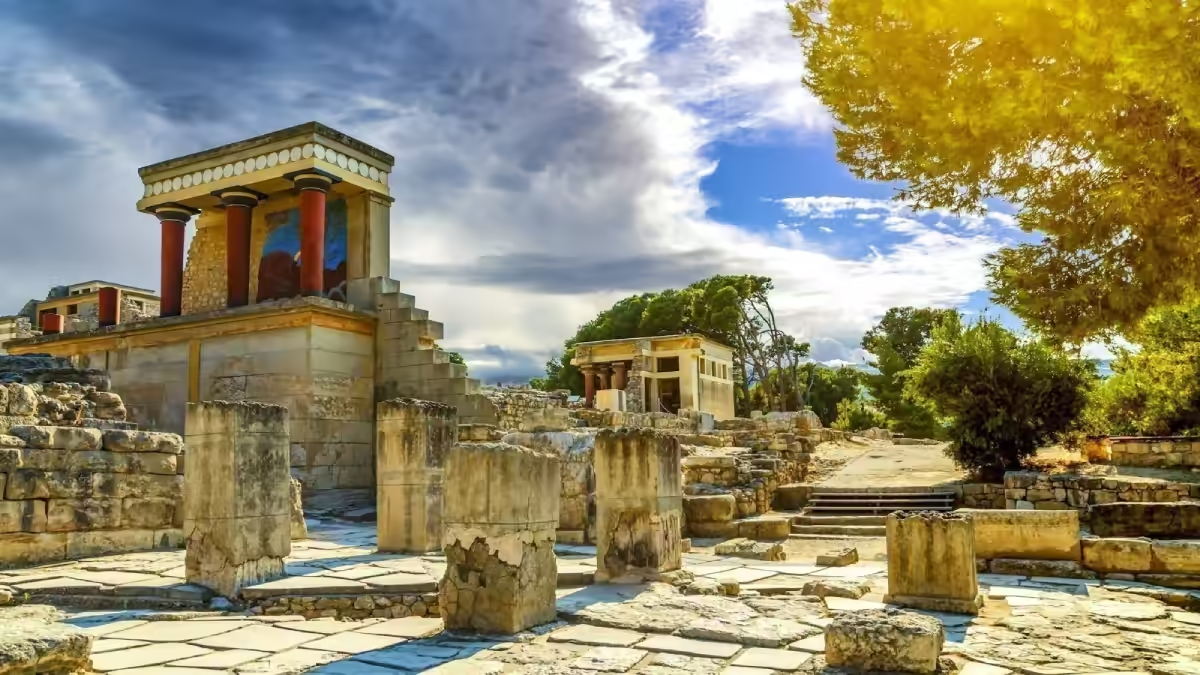
Discover what to see inside and find the right ticket for your visit.
Frequently Asked Questions
Common questions visitors ask when planning their trip.